




Leitfaden für Spritzgießmaschinen: Wie ein Kunststoffspritzgießmaschinenhersteller den Spritzgießprozess verbessert
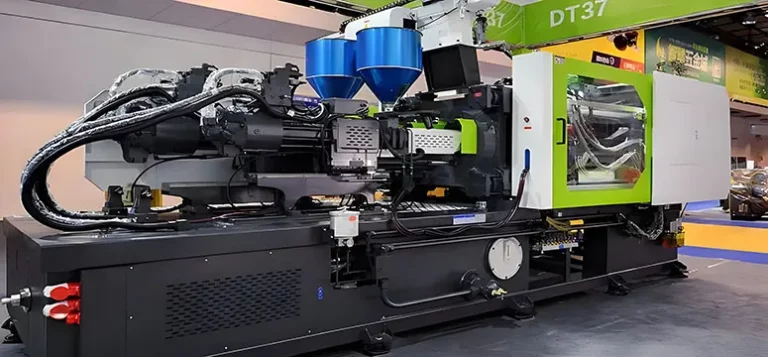
An injection molding machine improves output when it matches the resin, mold, cycle target…
März 17 2026
 2026-03-17-10:25
 Many factories buy equipment fast, then pay later in scrap, delays, and service problems. That is the real issue. A better answer is to choose an injection molding machine partner that supports the full injection molding process, not just the machine sale.
Eine Spritzgießmaschine verbessert die Leistung, wenn sie auf den Kunststoff, das Werkzeug, das Zyklusziel und den Fabrikplan abgestimmt ist. Die besten Ergebnisse erzielt in der Regel ein Hersteller von Kunststoffspritzgießmaschinen, der Maschinenauswahl, Zusatzausrüstung, Prozessunterstützung, schlüsselfertige Lieferung, FAT, Inbetriebnahme, Schulung und langfristigen Service kombiniert.
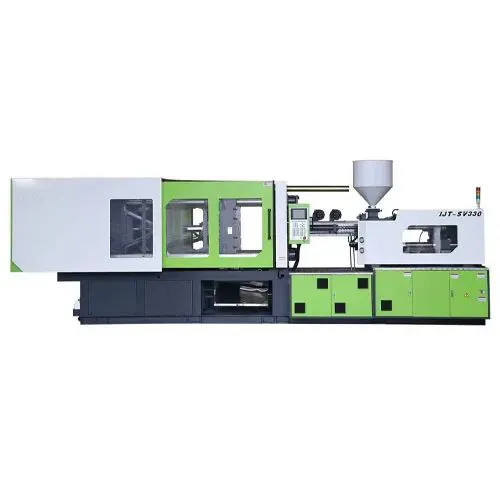
For many buyers, the question is not whether to invest in plastic injection molding. The question is how to choose equipment that can hold stable output month after month. At HEE&HATO, the public positioning is clear: factory-direct supply, one-stop plastics machinery solutions, in-house manufacturing, standardized QC, turnkey service, and global response for plastics buyers. That positioning fits the needs of thin-wall packaging, medical solutions, and industrial precision component projects where uptime, yield, and documentation matter.
At its core, an injection molding machine melts plastic material, pushes it into a mold, holds pressure while the material cools, then ejects the part so the cycle can repeat. In simple terms, the machine turns resin pellets or granule feed into repeatable parts at scale. The basic cycle is material feed, melt, fill, pack, cool, open, eject, and repeat.
In real factories, that simple description is only the starting point. Buyers are not just purchasing an imm or comparing imms by price. They are buying stable throughput, lower downtime, better part quality, and a safer path to mass production. That is why the machine’s injection unit, clamping unit, screw design, control systems, and service model matter so much.
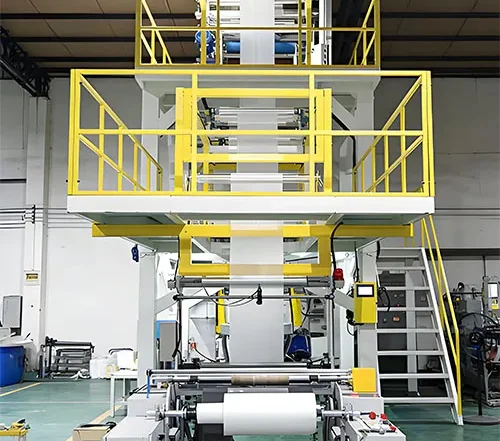
A factory-direct supplier such as HEE&HATO frames the machine as part of a bigger production system. Its site presents injection molding, extrusion, film blowing, and screw-and-barrel supply as one connected solution, with model selection, installation, commissioning, training, and after-sales support built into the offer.
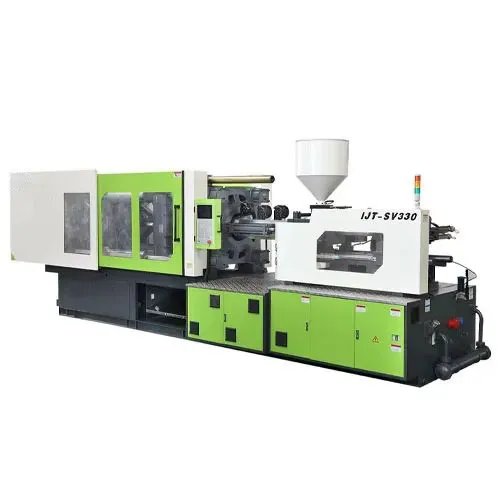
The injection molding process directly controls whether a finished part comes out consistent or becomes scrap. If melt temperature, fill speed, packing pressure, cooling time, and mold condition are not balanced, you will see flash, sink, short shots, warpage, or unstable dimensions. That is why process control matters just as much as machine size.
In daily production, I look at the process as a chain. Material drying, the right resin, the right screw and barrel, proper mold venting, stable cooling, and sensible recipe control all work together. Break one link, and the whole line suffers. Strong temperature control and stable repeatability are not “nice to have.” They are what protect yield.
This is also why engineering-led suppliers stand out. HEE&HATO’s application pages emphasize closed-loop control, hot-runner co-tuning, traceability, SPC-style process monitoring, and recipe management for food packaging, medical, and industrial components. That is the language of production stability, not just brochure marketing.
HEE&HATO’s catalog specifically presents servo-hydraulic & all-electric IMMs for thin-wall, multi-cavity, and hot-runner work, which tells buyers the company is positioning itself toward higher-value applications rather than entry-level commodity supply alone.
Many failed purchases begin here. Buyers focus on part size, then overlook clamping force and actual mold demand. But the clamp is what keeps the mold closed during filling and packing. If the machine is undersized, flash and instability follow. If it is oversized, you may waste money, floor space, and energy consumption.
The machine should match projected area, material flow behavior, cavity count, and cycle target. That is why experienced suppliers talk about clamping force ranges, not just one number. Tonnage is important, but so are platen size, tie-bar spacing, daylight, stroke, and mold change logic. A good toggle design and a stable clamping unit can make a huge difference in consistency.
HEE&HATO’s catalog invites buyers to filter by tonnage, shot volume, platen, and stroke, and its product pages describe optimized clamping unit and injection unit combinations for the application. That is a better buying path than choosing by model name alone.
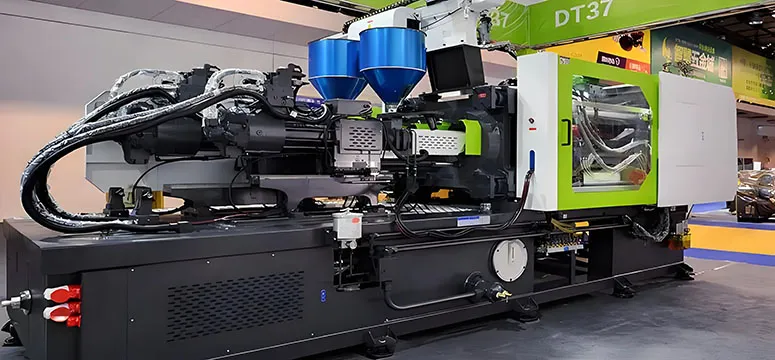
Sustainable production in plastics is not just about using less power. It also means reducing scrap, shortening changeovers, improving material use, and making lines easier to optimize over time. A line that wastes resin and labor is not sustainable, even if its nameplate sounds efficient.
That is why I view sustainability through output quality. Better recipe control, stable molds, proper drying, good cooling, and lower scrap all matter. Support for recycled blends, controlled regrind use, and data-driven tuning can improve total plant economics more than one isolated hardware upgrade. This is where innovative technologies and good engineering meet practical results.
HEE&HATO directly ties its offer to lower energy, recycled-material utilization, pilot validation, and one-stop services. Its application page also notes stable 20–30% recycled blends in food packaging scenarios, while its site claims typical projects deliver 20–40% energy savings and reach stable output within two weeks. Those are strong signals for buyers focused on expansion with lower risk.
A supplier with a wide range of applications can solve more problems with fewer handoffs. That matters when you are not just buying a press, but planning future lines for molding, extrusion, film, regrind, or screw-barrel upgrades. It shortens communication paths and makes scaling easier.
HEE&HATO is publicly positioned that way. The site covers injection molding, film blowing, pelletizing, blow molding, and screw-barrel products, while also presenting applications in building materials, food packaging, medical solutions, automotive, and industrial components. That broad matrix is useful for buyers who expect future capacity expansion or plant diversification.
For growing processors, that matters a lot. Today’s project may be an entry-level packaging line. Next year it may become a higher-cavity expansion, a precision engineering-plastics project, or a material-recovery upgrade. A leading provider is the one that can support those specific requirements without forcing the buyer to restart from zero.
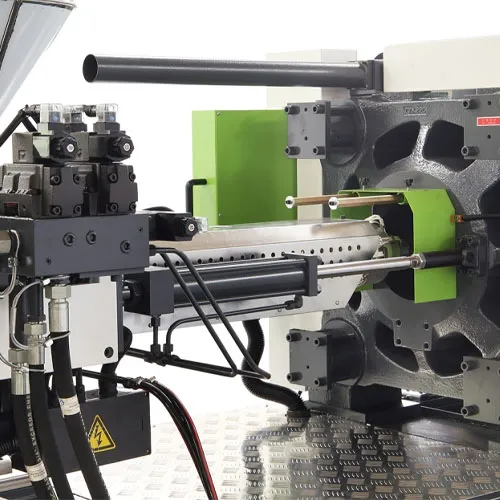
Start with part weight, resin type, cavity count, projected area, mold dimensions, and target cycle time. Then match shot size, platen space, stroke, and clamp tonnage. Buying on tonnage alone is a common mistake.
No. They are often excellent for clean, precise, and high-repeatability work, but some projects still fit servo-hydraulic or hybrid platforms better on cost, force, or application flexibility. The best choice depends on the part and the factory plan.
Ask for machine specification, layout, utility list, FAT plan, export documents, training scope, spare-parts list, and after-sales response process. If your line is regulated, ask about validation and compliance records too.
Because even high-quality machines fail to deliver if drying, cooling, mold setup, recipes, and startup controls are weak. Stable output comes from the whole system, not only the press.
You want a partner that can support clean process control, traceability, documentation, qualification steps, and stable mass production. Fast quotation is good, but fast problem-solving is better.
Yes, and that is often valuable for plants planning multi-stage expansion. HEE&HATO publicly presents itself as a one-stop supplier across these product groups, which can simplify communication and long-term sourcing.
The best injection molding machine is not just a press with a good brochure. It is a stable, scalable solution built around your mold, material, throughput target, and service expectations. When buyers choose with that mindset, they protect product quality, lower risk, and make future expansion easier
An injection molding machine improves output when it matches the resin, mold, cycle target…
Many film plants struggle with unstable output, uneven film thickness, slow changeovers, a…
Wir werden Ihnen innerhalb von 24 Stunden antworten. Wenn für dringenden Fall, fügen Sie bitte WhatsApp/WeChat: +86 15653430206,. Oder rufen Sie direkt +86 15653430206 an.
*Wir respektieren Ihre Vertraulichkeit und alle Informationen sind geschützt.
Wir verwenden Ihre Daten nur zur Beantwortung Ihrer Anfrage und senden Ihnen niemals unaufgefordert E-Mails oder Werbenachrichten.