




Высокоскоростная ротационная выдувная машина SQ-25L с шестью станциями для 10-25-литровых контейнеров HDPE
Struggling with low throughput and inconsistent wall thickness in high-volume plastic cont…
April 03 2026
 2026-03-27-13:43
 High scrap, unstable output, and rising power costs can quietly drain profit from a packaging factory. When a line cannot hold steady film quality, every order becomes harder to deliver. A low voltage integrated blown film machine solves that with better control, smarter cooling, and more reliable production.
Низковольтная интегрированная машина для выдува пленки - это тип машины для выдува пленки, предназначенный для более эффективного производства пластиковой пленки со стабильным контролем пузырьков, меньшим потреблением энергии и более простой эксплуатацией. Она объединяет экструдер, головку фильеры, систему управления и охлаждающие детали в более компактную и практичную установку для современного производства упаковки.
A low voltage integrated blown film machine is a specialized machine used to produce plastic films through the blown film extrusion method. In simple terms, resin enters the extruder, melts, moves through the die head, and is inflated into a bubble that rises, cools, collapses, and winds into rolls. The “low voltage integrated” idea focuses on a compact layout, coordinated electrical design, and smoother plant-side installation.
This matters because many global processors do not want a complicated project with too many disconnected parts. They want a machine that is easier to install, easier to run, and easier to expand later. In my experience, owners and project managers are not only buying machinery. They are buying risk reduction. They want stable mass production, clear delivery milestones, and confidence that the line will keep running after startup.
For thin-wall, food packaging, medical solutions, and industrial precision components, stability is not optional. It is a business requirement. That is why an engineering-driven, factory-direct supplier becomes valuable. We help customers match the right machine to their product, plant layout, and future plans.
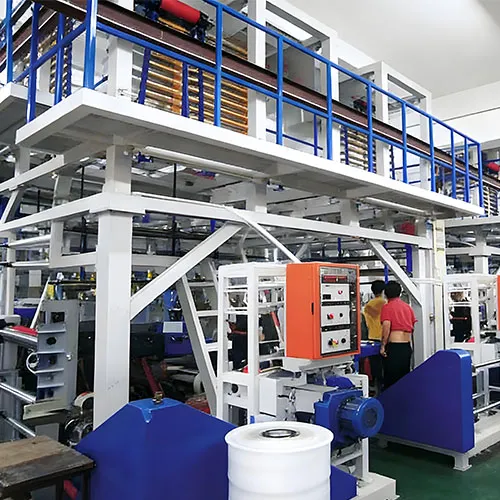
The packaging industry depends on speed, consistency, and flexibility. A weak machine creates uneven rolls, sealing issues, and customer complaints. A good film blowing machine helps factories produce stable packaging films for shopping bags, liners, courier bags, medical wraps, agricultural film, and many other products.
From what I have seen, buyers usually focus on three practical goals. They want high uptime. They want stable quality. They want easier control for operators and maintenance teams. That is why a modern blown film machine is more than a production asset. It is one of the core systems that protects margin, delivery speed, and market reputation.
This is especially true for mid- to large-scale manufacturers. A single delay on a packaging line can affect printing, bag making, shipping, and customer delivery. That is why buyers often prefer a factory-direct manufacturer that can support quoting, engineering review, FAT, commissioning, training, and long-term spare parts supply.
The hardest part of running a blown film line is keeping the bubble steady. If the bubble swings, the width changes. If cooling is uneven, film thickness drifts. If take-up speed and output do not match, the final product may wrinkle, seal badly, or fail quality checks.
That is why film thickness control matters so much. In food packaging, medical supplies, and precision industrial packaging, film consistency is directly tied to performance. A plant may have enough production capacity on paper, but if the rolls are inconsistent, real yield drops. True film quality is not only about how the roll looks. It is about how well it performs later in printing, sealing, and converting.
A good blown film machine helps keep the bubble centered, the film path smooth, and the winding section more stable. That is how the line protects both quality and profit.
No. Blow molding machines and blown film extrusion machines are not the same, even though both use heated material and air. Blow molding machines make hollow products like bottles and containers. A blown film machine makes tubular film that becomes bags, liners, wraps, and other flexible products.
This difference matters because some buyers mix the terms when they first search for equipment. If your goal is film for packaging, shipping bags, or agricultural use, then you need a film blowing machine, not bottle-forming equipment. The tooling, cooling path, winding, and quality control are very different.
So while blow molding machines are important in plastics manufacturing, they serve a different product family. A factory planning film output should focus on blown film, film structure, co-extrusion, line control, and downstream conversion needs.
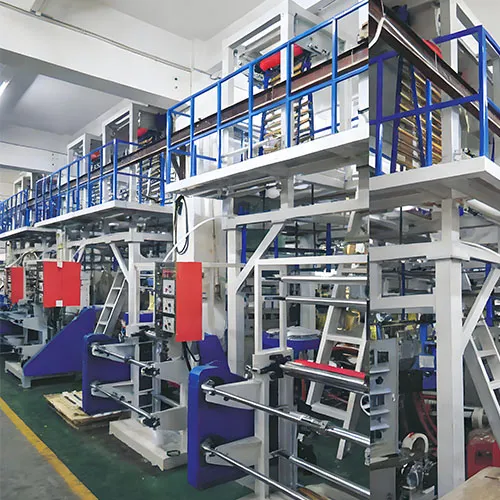
This is one of the most important points in real business. Overseas customers are not only buying a machine. They are buying a process plan, a delivery promise, and a service relationship. That is why a factory-direct manufacturer often has a strong edge.
Mid- to large-scale processors, EPC contractors, system integrators, and regional distributors usually care about these things:
We work with customers who need stable mass production for thin-wall products, packaging film, and precision industrial applications. They want a supplier that can ensure long-term value, not just ship equipment. In my experience, that is why engineering-driven service is now a major decision factor.
It is used to produce tubular plastic film for bags, liners, wraps, and other film products. It combines key line parts into a more coordinated machine system for easier operation and better efficiency.
For many applications, yes. An aba blown film machine offers more flexibility in material structure, cost control, and film performance than single-layer film blowing.
No. Blow molding machines make hollow plastic items like bottles. A blown film machine makes film rolls for flexible packaging and related uses.
A stable bubble helps control thickness, width, and winding quality. It is one of the biggest factors in consistent blown film production.
Most systems are designed for common film resins such as hdpe, ldpe, and other related film-grade materials, depending on the project and line design.
Review the specification, output goals, service support, electrical match, cooling design, layout fit, and long-term spare parts plan. Good service is as important as the machine itself.
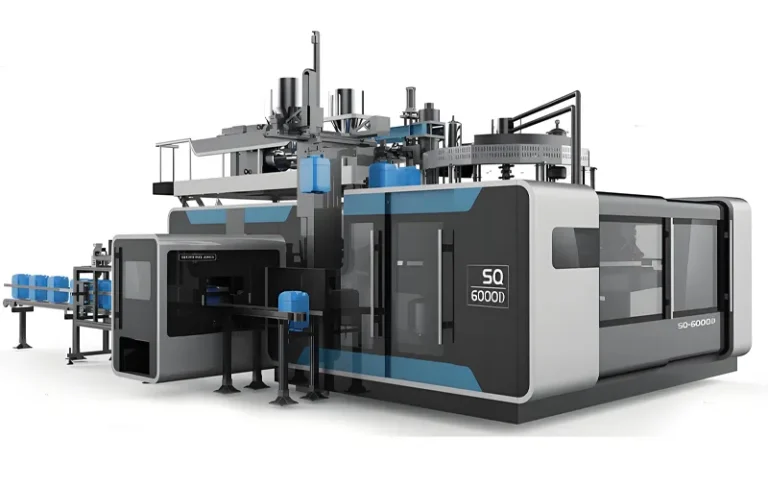
Struggling with low throughput and inconsistent wall thickness in high-volume plastic cont…
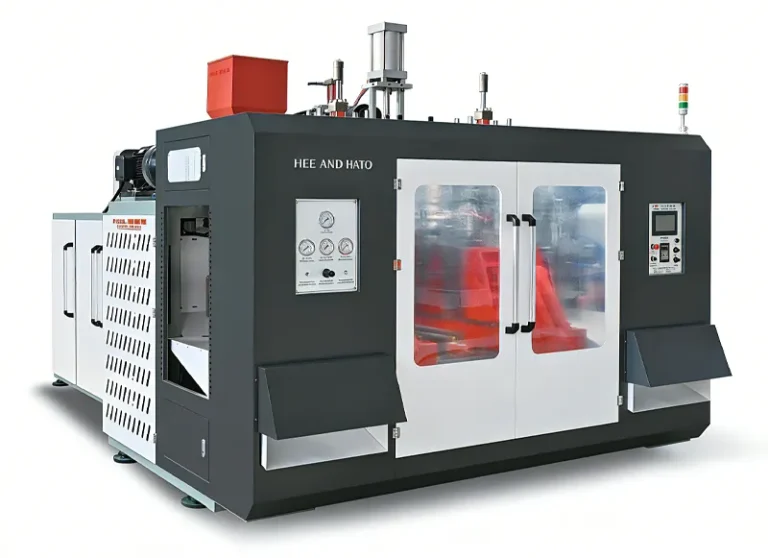
Struggling with inconsistent wall thickness, low yield, and slow production cycles? Manufa…
Мы ответим вам в течение 24 часов. Если для срочного случая, пожалуйста, добавьте WhatsApp/WeChat: +86 15653430206,. Или позвоните по телефону +86 15653430206.
*Мы уважаем вашу конфиденциальность и защищаем всю информацию.
Мы будем использовать вашу информацию только для ответа на ваш запрос и никогда не будем отправлять нежелательные электронные письма или рекламные сообщения.