

Hydraulische Spritzgießmaschine vs. vollelektrische Spritzgießmaschine – eine Erklärung
Eine hydraulische Spritzgießmaschine erzeugt die Schließ- und Einspritzkraft durch eine Presse…
22. August 2026
 2026-04-10-13:50
 Haben Sie Probleme mit inkonsistenter Pelletqualität, hohem Feuchtigkeitsgehalt oder instabiler Pelletierproduktion? Diese Probleme können die Effizienz verringern und die Kosten erhöhen. Ein gut gestaltetes Wasser-Ring-Pelletiersystem löst diese Probleme mit stabilem Pelletieren, präzisem Schneiden und effizienter Kühlung – und sorgt so für hochwertige Ausgaben und zuverlässige Massenproduktion.
Ein Wasser-Ring-Pelletizer ist ein hocheffizientes Pelletiersystem, das geschmolzenen Kunststoff mithilfe eines Matrizen-Schneiders und zirkulierender Wasser-Kühlung in gleichmäßige Pellets umwandelt. Es wird häufig für PE, HDPE, LDPE und biologisch abbaubare Materialien eingesetzt und bietet stabilen Durchsatz, niedrigen Feuchtigkeitsgehalt und ausgezeichnete Pelletqualität für moderne Kunststoffverarbeitungs- und Recyclinglinien.
Ein Wasser-Ring-Pelletizer ist eine Art Pelletiermaschine, die in der Kunststoffverarbeitung eingesetzt wird, um geschmolzenen Polymer in gleichmäßige Pellets umzuwandeln. Er findet breite Anwendung im Kunststoffpelletieren, insbesondere für thermoplastische Materialien wie PE, HDPE und LDPE.
In einem typischen Wasserringgranulierer System verlässt das geschmolzene Material den Extruder durch eine Matrizenplatte. Ein Hochgeschwindigkeits-Matrizen-Schneider schneidet das Material in kleine Pellets, die sofort durch zirkulierendes Wasser gekühlt werden.
Der wichtige Prozess umfasst:
Dieses Verfahren gewährleistet eine gleichmäßige Pelletformation, einen niedrigen Feuchtigkeitsgehalt und eine stabile Pelletierleistung.
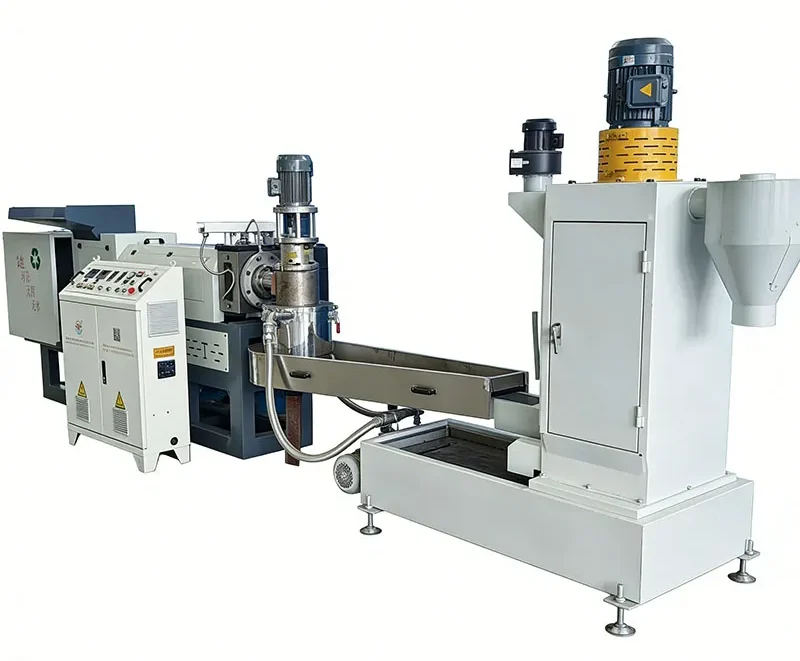
Bei der Auswahl eines Wasserringgranuliererist es entscheidend, die Merkmale und Vorteile zu verstehen.
Kernvorteile
Leistungsmerkmale
Aus meiner Erfahrung mit globalen B2B-Käufern sind diese Faktoren oft die entscheidenden Punkte beim Upgrade einer Pelletieranlage.
Ein Wasser-Ring-Pelletizer ist äußerst vielseitig und unterstützt fast alle Thermoplaststoffe.
Häufige Materialien
Er wird auch häufig verwendet in:
Diese Flexibilität macht ihn zur bevorzugten Wahl für industrielle Kunststoffverarbeitungslinien.
Beide Systeme haben ihren Platz, aber das Wasser-Ring-Pelletiersystem ist im Allgemeinen besser für automatisierte Produktion.
Vergleichseinblicke
Wenn Ihr Ziel ist:
Dann ist ein Wasserringgranulierer die bessere Option.
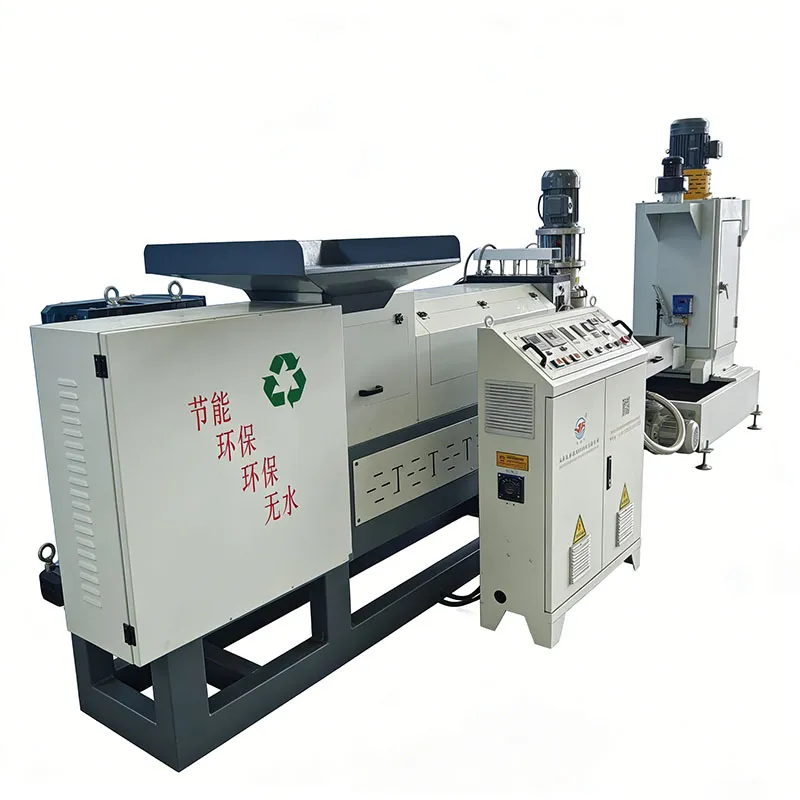
Die Wahl des richtigen Pelletiersystems hängt von Ihren Produktionsbedürfnissen ab.
Schlüsselfaktoren
Zum Beispiel:
Eine gut abgestimmte Pelletierlösung kann die Rohstoffkosten erheblich senken und die Effizienz verbessern.
Die Optimierung Ihrer Pelletierproduktionslinie erfordert Liebe zum Detail.
Optimierungstipps
Diese Schritte können verbessern:
A Wasserringgranulierer Verwendet die Schnittstelle zur Schneidtechnologie und Wasserabkühlung, während die Strangpelletierung auf das Abkühlen von Strängen vor dem Schneiden angewiesen ist. Wasserring-Systeme bieten eine höhere Effizienz und bessere Pelletgleichmäßigkeit.
Ja, er ist geeignet für PLA und andere biologisch abbaubare Materialien aufgrund seines präzisen temperaturgeregelten Schneid- und Kühlprozesses.
Bei ordnungsgemäßer Entwässerung und Trocknung ist der Feuchtigkeitsgehalt sehr niedrig, was die Pellets für eine direkte Wiederverwendung geeignet macht.
Nicht immer. Ein Zweischneckenextruder wird für die Compoundierung bevorzugt, während ein Einschneckenextruder für Standardmaterialien geeignet ist.
Ein stabiles Wasserzirkulationssystem sorgt für gleichmäßige Kühlung, verhindert Verformungen und verbessert die Pelletgleichmäßigkeit.
Branchen wie Verpackung, Recycling, Medizintechnik und industrielle Fertigung profitieren am meisten.

Eine hydraulische Spritzgießmaschine erzeugt die Schließ- und Einspritzkraft durch eine Presse…

Legen Sie die Parameter des Spritzgussprozesses in einer festgelegten Reihenfolge fest: Zylinder- und Formtemperatur, …
Wir werden Ihnen innerhalb von 24 Stunden antworten. Wenn für dringenden Fall, fügen Sie bitte WhatsApp/WeChat: +86 15653430206,. Oder rufen Sie direkt +86 15653430206 an.
*Wir respektieren Ihre Vertraulichkeit und alle Informationen sind geschützt.
Wir verwenden Ihre Daten nur zur Beantwortung Ihrer Anfrage und senden Ihnen niemals unaufgefordert E-Mails oder Werbenachrichten.