

Hydraulic Injection Molding Machine vs All-Electric Explained
A hydraulic injection molding machine generates clamping and injection force through press…
August 22 2026
 2026-04-10-13:50
 Struggling with inconsistent pellet quality, high moisture content, or unstable pelletizing production? These issues can reduce efficiency and increase costs. A well-designed water ring pelletizer system solves these problems with stable pelletizing, precise cutting, and efficient cooling—ensuring high-quality output and reliable mass production.
A water ring pelletizer is a high-efficiency pelletizing system that converts molten plastic into uniform pellets using a die face cutter and circulating water cooling. It is widely used for PE, HDPE, LDPE, and biodegradable materials, offering stable throughput, low moisture content, and excellent pellet quality for modern plastic processing and recycling lines.
A water ring pelletizer is a type of pelletizing machine used in plastic processing to convert molten polymer into uniform pellets. It is widely applied in plastic pelletizing, especially for thermoplastic materials such as PE, HDPE, and LDPE.
In a typical water ring pelletizer system, molten material from the extruder exits through a die plate. A high-speed die face cutter cuts the material into small pellets, which are immediately cooled by circulating water.
The key process involves:
This method ensures uniform pellet formation, low moisture content, and stable pelletizing performance.
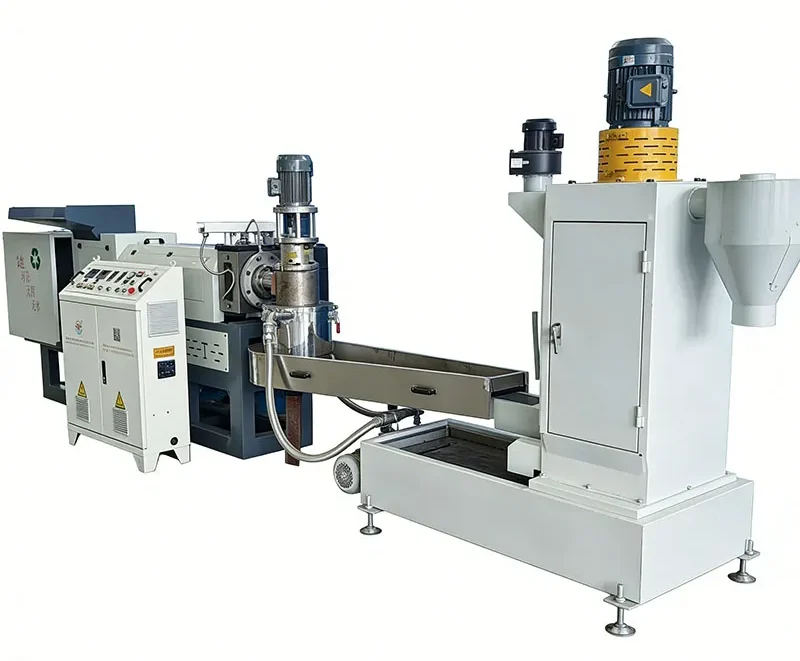
When selecting a water ring pelletizer, understanding its features and advantages is critical.
Core Advantages
Performance Highlights
From my experience working with global B2B buyers, these factors are often the deciding points when upgrading a pelletizing line.
A water ring pelletizer is highly versatile and supports almost all thermoplastics.
Common Materials
It is also widely used in:
This flexibility makes it a preferred choice for industrial plastic processing lines.
Both systems have their place, but the water ring pelletizer system is generally better for automated production.
Comparison Insights
If your goal is:
Then a water ring pelletizer is the better option.
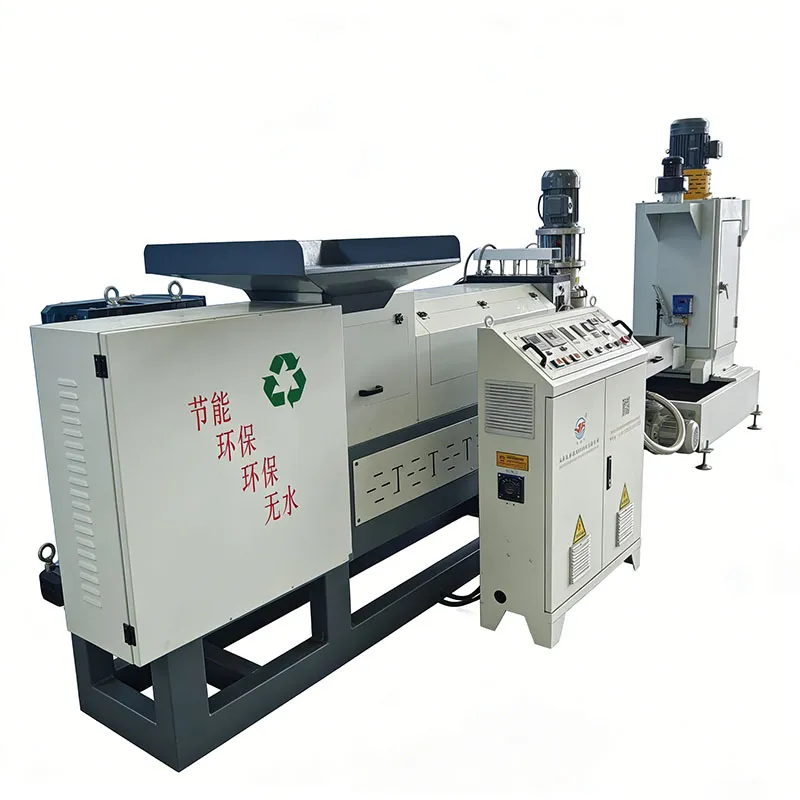
Choosing the right pelletizing system depends on your production needs.
Key Factors
For example:
A well-matched pelletizing solution can significantly reduce raw material costs and improve efficiency.
Optimizing your pelletizing production line requires attention to detail.
Optimization Tips
These steps can improve:
A water ring pelletizer uses die-face cutting and water cooling, while strand pelletizing relies on cooling strands before cutting. Water ring systems offer higher efficiency and better pellet uniformity.
Yes, it is suitable for PLA and other biodegradable materials due to its precise temperature-controlled cutting and cooling process.
With proper dewatering and drying, the moisture content is very low, making pellets suitable for direct reuse.
Not always. A twin-screw extruder is preferred for compounding, while a single-screw extruder works for standard materials.
A stable water circulating system ensures consistent cooling, preventing deformation and improving pellet uniformity.
Industries such as packaging, recycling, medical plastics, and industrial manufacturing benefit the most.

A hydraulic injection molding machine generates clamping and injection force through press…

Set injection moulding process parameters in a fixed order: barrel and mould temperature, …
We will reply you within 24 hours. If for urgent case, please add WhatsApp/WeChat: +86 15653430206,. Or call +86 15653430206 directly.
*We respect your confidentiality and all information are protected.
We will only use your information to respond to your inquiry and will never send unsolicited emails or promotional messages.