

Hydraulic Injection Molding Machine vs All-Electric Explained
A hydraulic injection molding machine generates clamping and injection force through press…
August 22 2026
 2026-05-08-18:08
 Plastic parts look simple, but unstable output can cost a factory money every hour. Poor mold matching, wrong clamp force, and weak process control create waste fast. The right injection molding machine helps turn plastic pellets into stable, repeatable, high-quality products.
An injection molding machine is industrial machinery that melts plastic material, injects molten plastic into an injection mold, holds pressure, cools the part, and ejects the finished plastic product. For B2B buyers, the best machine depends on mold size, shot size, clamp force, cycle time, material, output target, and long-term service support.
An injection molding machine, also called an injection moulding machine, is used to make plastic parts by pushing melted plastic into a closed mold. The basic idea is simple: plastic pellets enter the barrel, heat turns them into molten plastic, the injection unit pushes the material into the injection mold, and the clamping unit keeps the mold closed until the part cools.
In real production, the machine must do much more than “melt and inject.” It must control pressure, speed, temperature, clamp movement, mold protection, ejection, and repeatability. A stable plastic injection molding machine can help a factory improve yield, reduce rejects, and maintain a consistent cycle time. The process is commonly described as melting, injection, cooling, and ejection, with the machine mainly built around the injection unit, mold cavity, and clamping unit.
For packaging, medical consumables, thin-wall containers, industrial precision components, and daily-use plastic products, choosing the right injection molding machine is not only a purchase decision. It is a production decision. It affects labor, energy use, mold life, delivery schedules, and the final quality of every plastic part.
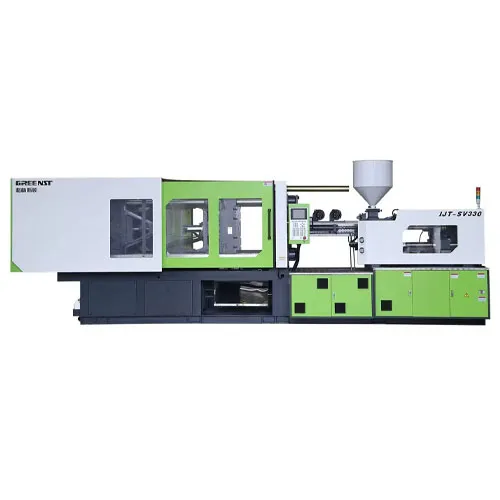
The injection mold decides the shape, surface, cavity layout, cooling design, and much of the final plastic part quality. A good injection molding machine cannot fully fix a poor mold. At the same time, a high-quality injection mold still needs a stable machine to run well.
For B2B production, the mold is often the heart of the project. A thin-wall food container mold may need high injection speed, fast cooling, and strong clamp control. A medical packaging mold may need cleaner processing, precise temperature control, and stable repeatability. An industrial precision component mold may require tight tolerances, stable holding pressure, and a reliable control system.
When we support buyers in equipment selection, we always ask about the mold first: product size, number of cavities, part weight, material, runner type, cooling layout, and expected cycle time. These details help match the right injection unit, shot size, clamp force, and hydraulic or servo system. The goal is not just to run the mold. The goal is to run the mold every day with stable output.
Choosing machine size starts with the mold, not the machine catalog. You need to check mold dimensions, projected area, required clamp force, shot size, opening stroke, tie bar spacing, injection pressure, and injection rate. If the machine is too small, the mold may not fit or the clamp force may not hold. If the machine is too large, production cost may rise.
A useful buying checklist includes:
The clamping unit holds the two mold halves closed before molten plastic enters the mold. The injection unit then pushes material into the cavity. Tie bars guide the moving platen and affect the mold size that can fit into the machine.
For example, a thin-wall packaging mold may need fast injection speed and strong clamping response. A thick industrial plastic component may need longer cooling time and stable holding pressure. A PET preform mold may need a suitable screw design, larger injection volume, and strong ejection. Matching these details early helps avoid costly changes later.
An injection molding machine is the center, but stable output also depends on the full production line. Supporting injection molding equipment may include hopper dryers, mold temperature controllers, chillers, auto loaders, robots, conveyors, mixers, crushers, central feeding systems, and quality inspection tools.
For global B2B factories, the full system matters because one weak part can slow the whole production process. If the dryer is too small, plastic material may contain moisture. If cooling is poor, cycle time grows. If automation is not matched with the mold, labor cost rises. If the control system cannot store stable parameters, shift-to-shift quality may change.
At HEE&HATO, the engineering-driven approach is to match machinery, mold needs, auxiliary equipment, and process support together. This is more useful than selling a machine alone. For thin-wall food packaging, medical packaging, and industrial precision components, the buyer needs stable mass production, not just a machine that can run once during testing.
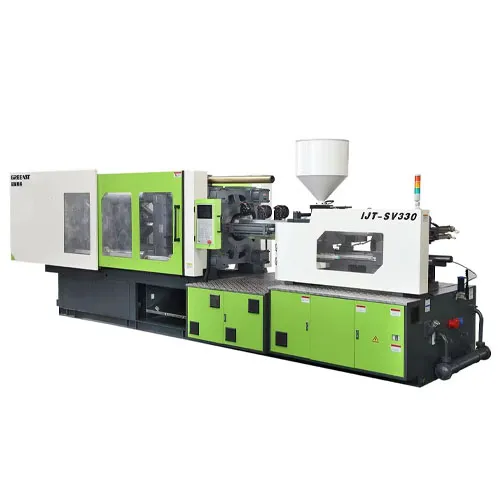
Energy use is a long-term cost, not a small detail. A low-price plastic molding machine can become expensive if it wastes power every day. Servo-hydraulic systems, all-electric injection molding, and efficient heating control can reduce unnecessary energy use and improve operating stability.
In many factories, the machine runs for long shifts. Even small energy savings per cycle can add up over months. Energy-saving design also supports lower oil temperature, smoother operation, and more stable control. This is why many buyers now compare servo systems, hydraulic pump design, heater insulation, motor efficiency, and cooling performance before choosing an injection machine.
All-electric injection molding machines are often valued for precise motion and efficiency, while hybrid injection molding machines can offer a balance between electric efficiency and hydraulic force. For buyers, the best choice depends on part type, mold size, production hours, local power cost, and required precision.
An injection molding machine has heat, pressure, moving platens, electrical systems, and a powerful clamp. Safety is not optional. Operators need training, guards, emergency stops, mold protection, and clear working rules. OSHA notes that guards help prevent access to the clamping and ejector mechanisms and other moving parts around the machine and mold.
Maintenance also protects output. A factory should check screw and barrel wear, hydraulic oil quality, seals, heaters, thermocouples, lubrication, tie bar condition, mold mounting plates, electrical wiring, and cooling channels. Small problems can become big downtime if they are ignored.
A simple maintenance plan includes:
Long-term service matters. Remote support, spare parts, training, and maintenance guidance help factories reduce downtime and keep production stable.
They mean the same thing. Injection molding machine is common in American English, while injection moulding machine is common in British English. Both describe machinery that melts plastic and injects it into an injection mold.
Start with the projected area of the molded part and the expected injection pressure. Then match the clamp force with the mold design, material, cavity number, and safety margin. Do not choose by tonnage alone.
Neither is always better. Hydraulic machines are strong and flexible. All-electric injection molding machines are precise and energy efficient. Hybrid injection molding machines balance force and efficiency. The right choice depends on the mold, plastic material, output target, and budget.
A desktop injection molding system is useful for prototype work, small injection molding trials, education, and sample testing. It is usually not suitable for high-volume industrial mass production.
Send product drawings, mold details, plastic material, part weight, output target, voltage, factory layout, and delivery destination. This allows the supplier to recommend the correct injection molding machine, auxiliary equipment, and delivery plan.

A hydraulic injection molding machine generates clamping and injection force through press…

Set injection moulding process parameters in a fixed order: barrel and mould temperature, …
We will reply you within 24 hours. If for urgent case, please add WhatsApp/WeChat: +86 15653430206,. Or call +86 15653430206 directly.
*We respect your confidentiality and all information are protected.
We will only use your information to respond to your inquiry and will never send unsolicited emails or promotional messages.