










Hydraulic Injection Molding Machine vs All-Electric Explained
A hydraulic injection molding machine generates clamping and injection force through press…
August 22 2026
 2026-06-22-18:14
 Wrong wall thickness can ruin a plastic part before production starts. Thin walls may fail to fill. Thick walls may cause sink marks, warpage, and long cycle time. The solution is to confirm proper wall thickness with DFM, mold design, and machine matching before tooling.
Injection molding can usually process plastic wall thickness from about 0.5 mm to 5 mm, depending on plastic material, part size, flow length, injection mold design, injection pressure, and machine capability. For most plastic parts, a uniform wall thickness of about 1.5 mm to 3.0 mm is commonly preferred for stable molding.
In most plastic injection molding projects, wall thickness can range from very thin sections below 1 mm to thicker sections above 4 mm. But there is no single perfect number. The correct wall thickness depends on plastic material, part size, part function, mold flow, injection pressure, and the injection mold structure.
For many common plastic parts, a practical wall thickness range is about 1.5 mm to 3.0 mm. Thin wall packaging may use a lower wall thickness, while heavy industrial parts may need thicker sections. Some small precision components can use a thinner wall, but the molding process must be well controlled.
The safest answer is this: the best wall thickness is the thinnest wall that still meets strength, appearance, assembly, and production requirements. This reduces material use, shortens cycle time, and helps the injection molded part cool more evenly.
For B2B buyers, wall thickness should not be confirmed by guesswork. It should be reviewed through DFM, injection molding design, material selection, injection mold design, and machine capability.
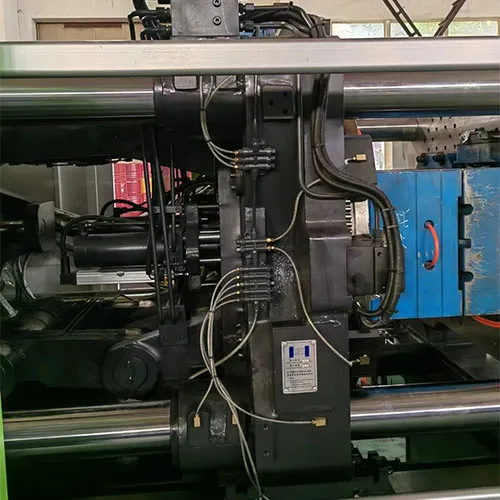
Wall thickness is a critical design parameter in every injection mold project. It affects how molten plastic flows into the mold cavity, how fast the part cools, how much the part shrinks, and whether the final plastic part can meet quality requirements.
If the wall thickness is too thin, plastic may freeze before the cavity is full. This may cause short shots, weak corners, flow marks, or incomplete filling. If the wall thickness is too thick, the plastic cools slowly and unevenly. This may cause sink marks, voids, warpage, and internal stress.
Wall thickness has a direct effect on:
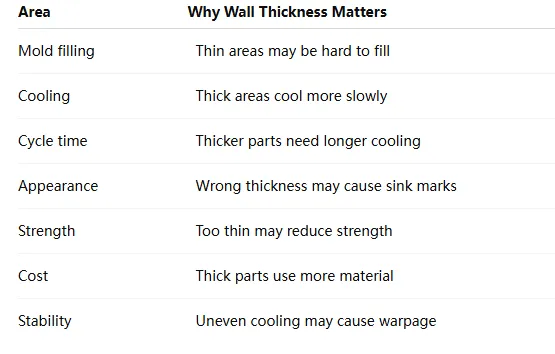
A good injection mold should support stable filling, balanced cooling, and clean ejection. That starts with proper wall thickness design.
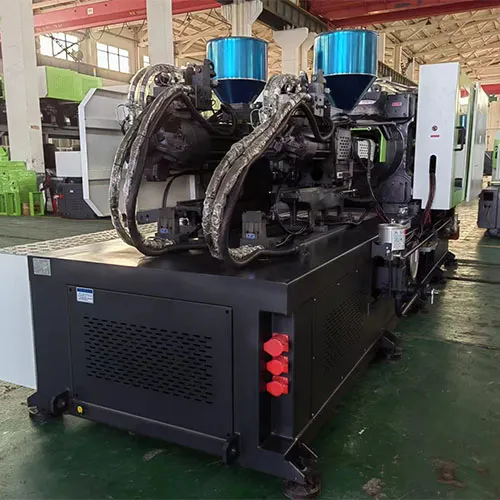
Recommended wall thickness depends on the plastic material. Different materials have different flow behavior, shrinkage, stiffness, heat resistance, and strength. A material that flows well may support thinner walls. A material with poor flow may need more thickness.
The following table gives general wall thickness recommendations for early design review. Final values should always be confirmed through DFM, mold flow analysis, sample trial, and real production testing.
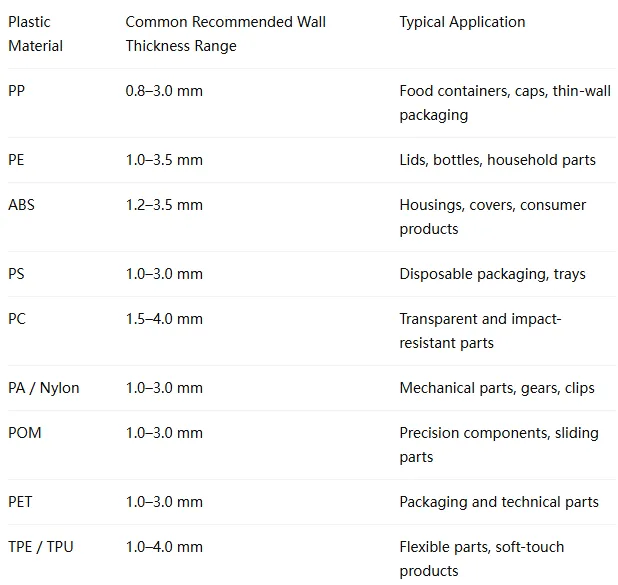
These recommended wall thickness ranges are not fixed rules. They are starting points. The optimal wall thickness for plastic also depends on flow length, gate location, part size, surface finish, and injection molding machine performance.
For thin-wall food packaging or medical consumables, the wall thickness for injection molding may be lower. But the project then needs better mold design, faster injection speed, stable clamp force, and good cooling control.
Uniform wall thickness is one of the most important best practices in plastic part design. When the part has consistent wall thickness, molten plastic flows more evenly. Cooling becomes more balanced. Shrinkage becomes easier to control.
The importance of uniform wall thickness is simple: plastic shrinks as it cools. If one wall section is much thicker than an adjacent wall, the thick section cools more slowly. This creates different shrinkage rates inside the same plastic part.
That difference can lead to warpage, sink marks, internal stress, or dimensional error. Achieving uniform wall thickness helps the part cool evenly and supports uniform injection molding.
A simple rule:
Good wall thickness throughout the part makes the injection molding process easier and more stable.
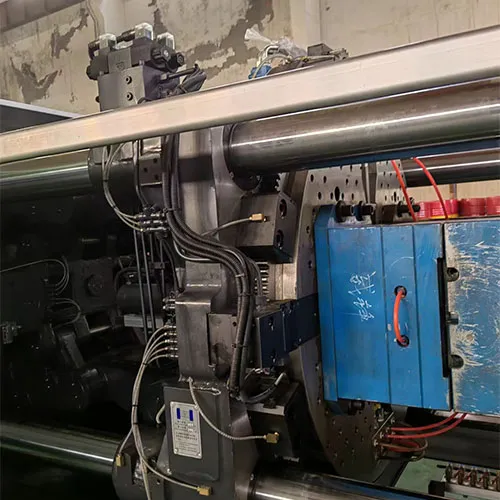
A thin wall can save material and reduce cooling time, but it can also create molding problems. If wall thickness is too small, molten plastic may cool before it reaches the end of the cavity. When plastic fails to fill the mold, the part may show short shots or weak edges.
Thin wall injection molding needs stronger process control. The injection molding machine may need higher injection pressure, higher injection speed, fast response, and stable control. The injection mold may also need better venting, better gate design, and efficient cooling.
Thick wall thickness may look strong, but it often creates problems. Increasing wall thickness can increase part weight, material cost, cooling time, and shrinkage risk. Thick areas are also more likely to form sink marks or internal voids.
Uneven wall thickness can cause even more trouble. If one area is thick and another area is thin, the two areas cool at different speeds. This can create internal stress, warpage, and dimensional instability.
Common problems caused by uneven wall thickness include:
Non-uniform wall thicknesses are sometimes unavoidable. Some parts need thick mounting points, bosses, ribs, or strength areas. In that case, proper wall thickness design guidelines should use radii, gradual transitions, coring, ribs, and gussets to avoid sudden thickness changes.
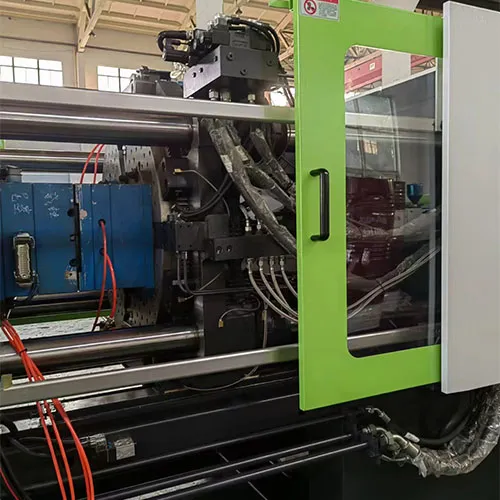
DFM means design for manufacturability. It helps buyers check whether a plastic part can be produced by injection molding before the injection mold is built. DFM is especially important when wall thickness is near the minimum wall thickness or when the part has different wall thicknesses.
A good DFM review should check:
Design for manufacturability is not only about avoiding defects. It is about making the part easier to mold, easier to inspect, and easier to produce at scale.
For example, if a boss is too thick, the DFM engineer may suggest coring it out. If a wall transition is too sudden, the engineer may suggest a smooth radius. If the wall is too thin far from the gate, the engineer may suggest changing the gate location or improving the runner design.
This is why DFM should happen before mold steel is cut. Once the injection mold is built, wall thickness optimization becomes harder and more expensive.
Wall thickness affects the injection mold and machine selection directly. A thick part may need longer cooling time and stronger packing pressure. A thin wall part may need higher injection speed and faster response. Both cases affect machine choice.
If wall thickness is large, cooling becomes the longest part of the molding process. This increases cycle time and lowers output. If wall thickness is too thin, the machine may need more pressure and faster injection to fill the part.
Wall thickness also affects:
For B2B buyers, this means wall thickness is not only a product design question. It is also a production planning question. A proper wall thickness reduces cycle time, improves molding stability, and lowers total cost.
This is why we ask buyers for drawings, 3D files, plastic material, target output, and product application before recommending an injection molding machine. The right machine must match the wall thickness, injection mold, material, and production goal.
A strong plastic machinery supplier should do more than sell a machine. For injection molding projects, the supplier should help buyers review wall thickness, part design, injection mold matching, machine selection, and production process.
As a factory-direct, engineering-driven supplier, we serve global B2B customers in thin-wall and food packaging, medical solutions, and industrial precision components. Our one-stop plastic machinery solution covers injection molding, extrusion, film blowing, equipment support, process advice, turnkey delivery, and full lifecycle service.
We can help buyers with:
For overseas buyers, this support is valuable. It helps owners, project managers, engineers, and maintenance teams reduce risk before mass production. It also supports stable output, clear delivery milestones, and future capacity expansion.
There is no single ideal wall thickness for every part. Many plastic parts use about 1.5 mm to 3.0 mm, but the ideal wall thickness depends on plastic material, part size, strength needs, flow length, and injection mold design.
Minimum wall thickness depends on the material and part design. Some thin-wall parts can be below 1 mm, but they need good material flow, high injection speed, correct gate design, and strong process control.
Uniform wall thickness helps molten plastic fill the cavity evenly and cool at a similar rate. This reduces sink marks, warpage, internal stress, and dimensional problems.
If wall thickness is too thick, the part may have sink marks, voids, longer cycle time, higher material cost, and more shrinkage. Thick sections may also cool unevenly and cause internal stress.
Yes, but different wall thicknesses should use smooth transitions, radii, ribs, or coring. Sudden thickness changes should be avoided because they can cause warpage, sink marks, and filling problems.
Wall thickness affects mold flow, cooling design, gate design, and cycle time. A difficult wall thickness design may require more complex injection mold structure, better cooling, or stronger machine performance.
Buyers should request a DFM review, check recommended wall thickness ranges, confirm material shrinkage, review gate location, and evaluate the injection mold design before steel cutting.

A hydraulic injection molding machine generates clamping and injection force through press…

Set injection moulding process parameters in a fixed order: barrel and mould temperature, …
We will reply you within 24 hours. If for urgent case, please add WhatsApp/WeChat: +86 15653430206,. Or call +86 15653430206 directly.
*We respect your confidentiality and all information are protected.
We will only use your information to respond to your inquiry and will never send unsolicited emails or promotional messages.