

Máquina de moldagem por injeção hidráulica vs. máquina totalmente elétrica: uma explicação
Uma máquina de moldagem por injeção hidráulica gera a força de fecho e a força de injeção através de uma prensa…
22 de agosto de 2026
 2026-06-22-17:27
 Choosing the wrong injection molding machine can cause poor parts, high scrap, slow cycles, and costly downtime. For plastic packaging, medical parts, or precision components, one bad choice can delay the whole project. The solution is to understand the machine before buying.
An injection molding machine is equipment that melts plastic pellets and injects molten plastic into an injection mold under pressure. After the plastic has cooled and solidified, the mold opens and ejects the newly formed plastic part. It is widely used for mass production of plastic products.
Um máquina de moldagem por injeção is a plastic manufacturing machine used to produce plastic parts in large quantities. It heats raw plastic pellets, turns them into molten plastic, and pushes the molten plastic into the mold cavity of an injection mold.
The machine is also called an injection moulding machine in British English. Some buyers also call it a plastic injection machine, injection press, or plastic injection molding machine. These names usually refer to the same basic equipment.
The main purpose is simple: transform raw plastic into repeatable plastic components. A good injection molding machine can make the same plastic product again and again, with stable size, shape, weight, and surface quality.
For B2B buyers, the machine is not just one piece of equipment. It is part of a complete production system. The injection molding machine, injection mold, resin, dryer, loader, chiller, robot, and process support must all work together.
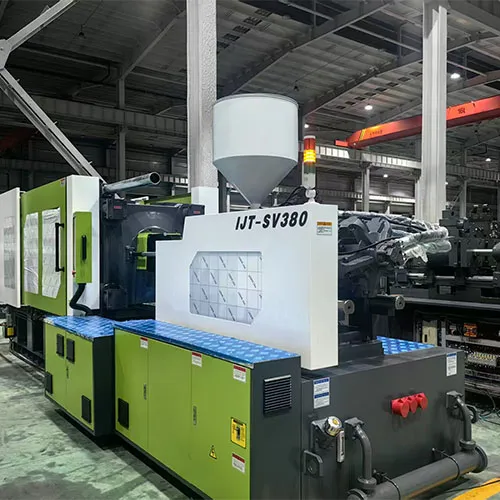
To understand máquina de moldagem por injeção work, imagine a simple cycle. First, raw plastic pellets enter the barrel of the machine through a hopper. The screw rotates, heat to melt the plastic is applied, and the plastic material becomes molten plastic.
Next, the machine closes the injection mold with enough clamp force. Then the injection unit pushes molten plastic from the barrel into the mold cavity. This step uses injection pressure and injection speed to fill the cavity quickly and evenly.
After that, the molten plastic is injected, held under pressure, cooled, and hardened. When the plastic has cooled and solidified, the mold opens. The ejection system pushes out the newly formed plastic part. Then the injection molding cycle starts again.
The injection mold is the tool that gives the plastic part its shape. The injection molding machine provides heat, pressure, movement, and control. The injection mold creates the final geometry, surface, cavity structure, cooling path, gate location, and ejection method.
A high-quality injection mold must match the injection molding machine. If the injection mold is too large, it may not fit the tie bar space. If the mold needs high pressure, the machine must provide enough injection pressure and clamp force. If the mold cooling is poor, cycle time may become too long.
The injection mold also affects:
For buyers, this means the machine and mold should not be selected separately. A strong injection moulding machine still needs a well-designed injection mold. A good injection mold still needs a properly matched machine.
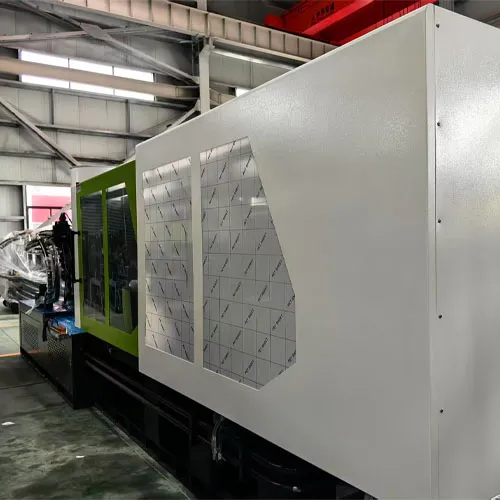
There are several types of máquinas de moldagem por injeção. The most common categories are hydraulic injection molding machines, all-electric injection molding machines, and hybrid injection molding machines. Buyers may also hear terms such as horizontal machine, vertical machine, two-platen injection molding machines, large injection machines, and small injection molding machines.
Hydraulic injection molding machines use hydraulic power to move the clamp and injection unit. They are strong and widely used for many plastic molding applications. Electric injection molding machines use servo motors for movement and control. They are often chosen for clean, precise, and energy-saving production.
Hybrid injection machines combine hydraulic and electric technology. They aim to offer a balance of power, speed, energy saving, and control.
Hydraulic, electric, and hybrid machines can all make high-quality plastic products when selected correctly. The difference is how they create movement, pressure, and control.
Hydraulic injection molding machines are known for strong clamp force and flexible use. They are often used for large injection parts, thick-wall products, bins, chairs, crates, and general plastic components. They can be economical, but they may use more energy than electric systems.
All-electric injection molding machines use servo motors for mold opening, injection, plasticizing, and ejection. Electric injection molding can offer precise motion, clean operation, and lower energy use. All-electric injection molding machines are often used for medical parts, precision products, and clean manufacturing plastic applications.
Hybrid injection molding machines combine hydraulic strength with electric control. They may be suitable for buyers who need speed, power, and better energy efficiency.
Clamp force is one of the most important selection points. It tells you how much force the machine can use to keep the injection mold closed during injection. If clamp force is too low, the mold may open slightly and cause flash. If it is too high, the buyer may pay for a larger machine than needed.
Shot size is also important. The machine must inject the correct amount of plastic into the mold cavity. The amount of plastic should match the part weight, runner weight, and safety margin. If shot size is too small, the mold may not fill. If it is too large, plasticizing control may become less stable.
Buyers should confirm:
For example, a thin-wall food container may need high injection speed and enough clamp force. A small precision part may need better repeatability. A large storage box may need large clamp force and higher shot volume.
This is where engineering support helps. Instead of only asking for “a 300-ton machine,” buyers should share drawings, part weight, mold information, resin, and output targets. A good supplier can then recommend the right plastic injection molding machine.
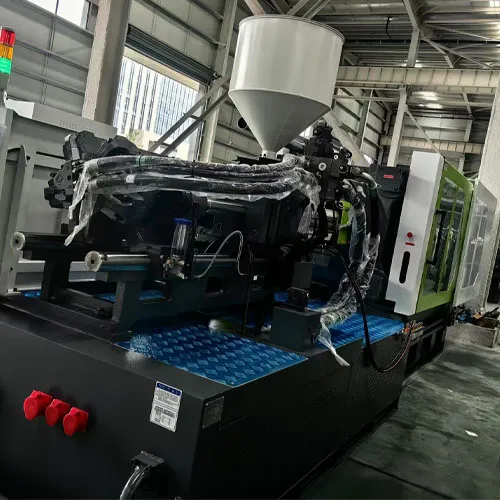
Plastic injection molding machines are used in many industries because they can make repeatable plastic parts at high volume. They are common in packaging, medical, electronics, automotive, household goods, construction, toys, caps, containers, and industrial components.
For thin-wall and food packaging, the machine must support fast cycles, stable injection, and efficient cooling. For medical solutions, it may need clean production, stable process control, and stronger documentation. For industrial precision components, the focus is often tolerance, repeatability, and long-term mold stability.
Common applications include:
The production of plastic parts is not only about speed. It is also about stable quality. A machine that runs fast but creates defects is not a good investment.
A one-stop plastic machinery supplier helps buyers move from idea to stable production. This is especially valuable for overseas factories, EPC contractors, system integrators, distributors, and manufacturers who build or upgrade production lines.
As a factory-direct, engineering-driven supplier, we provide plastic machinery solutions covering injection molding, extrusion, film blowing, process support, turnkey delivery, and full lifecycle service. We help buyers confirm machine selection, injection mold matching, auxiliary equipment, layout, FAT, installation, commissioning, training, and after-sales support.
Our support can include:
For buyers in thin-wall packaging, medical solutions, and industrial precision components, this full-service model reduces risk. You do not only buy a machine. You get a production plan.
An injection molding machine is used to make plastic products by melting plastic pellets and injecting molten plastic into an injection mold. It is widely used for packaging, medical parts, caps, containers, housings, and industrial components.
The main components include the injection unit, clamping unit, hopper, barrel, screw, heaters, nozzle, injection mold, platen, ejection system, hydraulic or electric drive, and control system.
How does a plastic injection molding machine work?
Plastic pellets are melted in the barrel, then molten plastic is injected into the mold cavity. The plastic cools and solidifies inside the injection mold. Then the mold opens and the finished plastic part is ejected.
The main types of injection molding machines include hydraulic injection molding machines, all-electric injection molding machines, hybrid injection molding machines, vertical machines, horizontal machines, and two-platen machines.
Clamp force depends on part projected area, cavity number, injection pressure, plastic material, and mold structure. A supplier can help calculate the right machine tonnage based on drawings and mold data.
An electric machine can offer clean operation, precise control, and energy savings. A hydraulic machine is often strong and economical for general use. The best choice depends on product type, budget, quality requirement, and production target.
You should provide product drawings, material, part weight, mold size, cavity number, runner type, target output, quality requirement, factory layout, voltage, automation needs, and service requirements.

Uma máquina de moldagem por injeção hidráulica gera a força de fecho e a força de injeção através de uma prensa…

Defina os parâmetros do processo de moldagem por injeção numa ordem fixa: temperatura do cilindro e do molde, …
Responder-lhe-emos no prazo de 24 horas. Se for um caso urgente, adicione WhatsApp/WeChat: +86 15653430206,. Ou ligue diretamente para +86 15653430206.
*Respeitamos a sua confidencialidade e todas as informações são protegidas.
Apenas utilizaremos as suas informações para responder ao seu pedido e nunca enviaremos mensagens de correio eletrónico ou mensagens promocionais não solicitadas.