

Comment choisir la presse à injection adaptée à votre moule en plastique et à votre usine
Buying the wrong injection molding machine can lead to flash, unstable cycles, wasted ener…
17 août 2026
 2026-02-06-16:09
 La plupart des usines enregistrent des pertes sur un injection projet parce que le machine de moulage par injection ne correspond pas : tonnage incorrect, temps de cycle instable, taux de rebut élevé ou temps d'arrêt prolongés. Les conséquences se font rapidement sentir : livraisons manquées, clients mécontents et coûts en hausse. La solution est simple : choisissez le bon machine de moulage par injection avec un accompagnement éprouvé tout au long du processus et un calendrier de mise en œuvre clair.
Une presse à injection tours granulés de plastique en un format cohérent pièces en plastique en faisant fondre le matériau, puis en injectant le plastique fondu dans un moule dans des conditions contrôlées pression d'injection. Le meilleur fabricants de presses à injection Ils ne se contentent pas de livrer des machines : ils vous aident à choisir la force de serrage adaptée, à valider le processus de moulage par injection (FAT), à procéder à la mise en service sur site et à maintenir une production stable grâce à des formations, des pièces de rechange et une assistance à distance.
Un machine de moulage par injection est machines qui fond granulés de plastique, injecte du plastique fondu dans un moule, le refroidit, puis le la pièce est éjectée. C'est là l'essentiel procédé de moulage par injection, et cela semble simple… jusqu’à ce que vous fonctionniez 24 heures sur 24, 7 jours sur 7, et que vous ayez besoin de la même chose pièce en plastique une qualité irréprochable à chaque service.
Voici le déroulement général de procédés de moulage par injection en termes simples :
Si l'une des étapes présente un écart — température du matériau, vitesse d'injection, refroidissement du moule —, votre durée du cycle augmente et la qualité baisse. C’est pourquoi nous ne traitons pas un machine de moulage par injection comme “ une simple machine ”. Nous la considérons comme un système de production.

Lorsque des acheteurs me posent des questions sur le types de presses à injection, Je privilégie l'aspect pratique. Certes, la réponse « classique » est longue, mais les acheteurs ont besoin d'un guide simple.
In real purchasing, machines de moulage par injection are classified mainly by:
This classification matters because it connects directly to:
If you’re building thin-wall packaging output or precision components, you want the machine category to match your molding capabilities—not just the mold.
Many factories start with a hydraulic press because it’s robust and familiar. Hydraulic machines have historically been the workhorse for general plastic processing, especially when molds vary and the environment is tough.
A hydraulic injection moulding machine (and hydraulic injection molding machines) often fits when you need:
But frequent maintenance can become a cost if you run high output and need clean, quiet operation.
Un all-electric or all-electric injection machine (also called electric injection molding / electric injection molding machines) often wins on:
If you run thin-wall packaging with high-speed cycling, many buyers prefer all-electric machines because small timing differences can change quality parts results.

This is one of the most important decisions because the mold must stay shut under pressure. Your clamping unit is the heart of stability.
A toggle (or toggle injection) clamping unit is common because it can be fast and efficient. It often fits:
A two-platen or two-platen injection design often fits:
If your mold is large and your part size is big, a two-platen may feel more comfortable. If you need speed for thin-wall, toggle often becomes the first shortlist item.
A servo-hydraulic setup (also called servo-hydraulic machines) is a practical bridge between classic hydraulic machine systems and all-electric platforms.
Instead of running hydraulic pumps at full speed all the time, servo motors drive demand-based motion. That typically improves:
In buyer terms: servo-hydraulic can deliver a “more electric feel” while keeping hydraulic strength. Many factories that run packaging, household goods, and general industrial components like this balance.
Most people picture horizontal injection molding machines first. They’re common and easy to automate with robots and conveyors.
But vertical injection (or vertical injection moulding, and generally vertical machines) can be the right tool when:
If your application is precision insert work, vertical machines can reduce handling errors and stabilize quality.
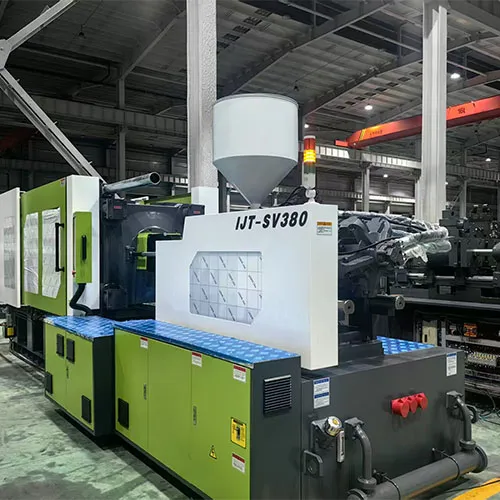
Le price of an injection molding project isn’t only the machine. It’s the cost to produce each part reliably.
Main cost drivers you should compare
A packaging customer making thin-wall plastic product cups struggled with flashing and unstable cycle timing. After matching the mold to the proper force de serrage, tuning the injection system, and training the operators on setpoints, output stabilized. The biggest win wasn’t “faster speed.” It was repeatable quality parts and fewer stops.
What changed:
This is why we push full lifecycle support. Reliability is not a slogan—it’s a plan.
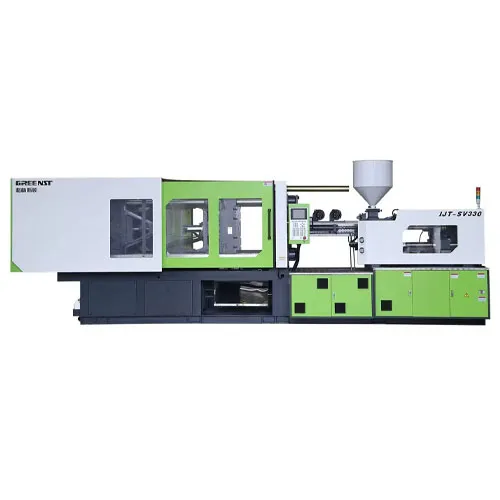
Which injection molding machine is best for thin-wall packaging?
For thin-wall packaging, prioritize stable durée du cycle, fast injection speed, and repeatable motion control. Many factories shortlist toggle clamping and either all-electric or servo-hydraulic configurations for balance between speed and cost.
What clamp force do I need?
Your required force de serrage depends on cavity pressure, mold area, and injection pressure range. A good supplier will calculate it from your mold drawings and target output—not guess.
Are hydraulic injection molding machines outdated?
No. Hydraulic injection molding machines remain strong for rugged environments and flexible production. Many buyers still choose a hydraulic machine when they want robustness and easier local service—especially for varied molds.
When should I consider vertical injection moulding?
Choose vertical injection moulding when you do insert molding or want safer insert placement. Vertical machines often reduce handling errors and can simplify early-stage production.
How do I know a machine is compliant for export delivery?
Ask for a clear documentation list: FAT records, packing list, manuals, and required certificates for your region. Export-compliant documentation plus a well-defined commissioning plan reduces risk.
How fast can I get a quote and solution?
In many projects, we provide a solution and quote fast when you share part drawings, mold info, material, target output, and plant power details. Clear inputs = faster, better quoting.
Quick checklist (send this to us to speed up your quote)

Buying the wrong injection molding machine can lead to flash, unstable cycles, wasted ener…
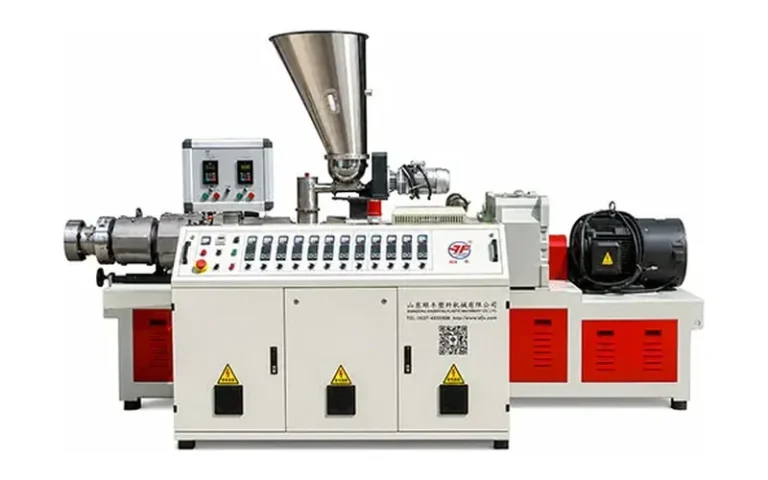
Choosing the wrong extrusion machine can cause unstable output, poor product size, high wa…
Nous vous répondrons dans les 24 heures. En cas d'urgence, veuillez ajouter WhatsApp/WeChat : +86 15653430206,. Ou appelez directement +86 15653430206.
*Nous respectons votre confidentialité et toutes les informations sont protégées.
Nous n'utiliserons vos informations que pour répondre à votre demande et n'enverrons jamais de messages électroniques ou promotionnels non sollicités.