A plastic injection molding project can fail before the first part is made. Wrong mold design, weak machine matching, unclear resin choice, or missing validation may cause delays, defects, and costly rework. The smart solution is to confirm every key requirement before mold build and production.
Before plastic injection molding production, buyers should confirm part design, resin, injection mold structure, tool steel, cavity number, runner system, machine matching, screw and barrel configuration, tolerance, validation documents, PPAP needs, mold acceptance criteria, quality control, FAT, commissioning, training, and after-sales support.
Why Should Buyers Confirm Requirements Before Plastic Injection Molding?
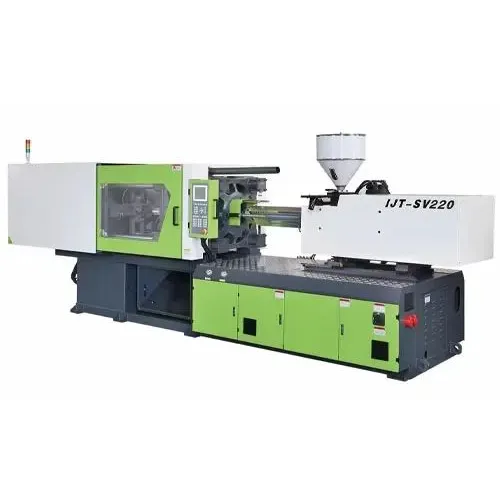
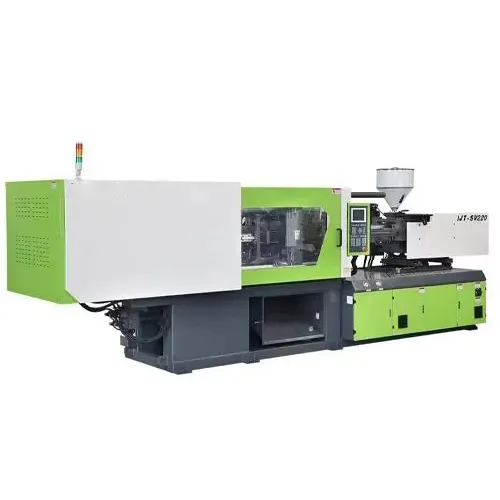
Plastic injection molding is not only about making a mold. It is a complete production system. The injection mold, plastic injection molding machine, resin, screw barrel, temperature control, robot, dryer, chiller, and quality control plan all affect the final molded parts.
For global B2B buyers, this matters a lot. A food packaging factory may need thin-wall containers with fast cycle time. A medical packaging buyer may need clean production and strict validation. An industrial precision component producer may need stable tolerance, low defect rate, and long-term tool life.
When buyers confirm technical requirements early, the supplier can give a more accurate injection molding quote. More importantly, the project team can reduce changes after mold opening. That means shorter lead time, fewer surprises, and smoother mass production.
As a factory-direct, engineering-driven plastic machinery supplier, we usually suggest buyers confirm both sides of the project: the mold side and the machine side. A good mold still needs the right machine. A strong machine still needs a well-designed tool.
How Should Buyers Confirm Resin and Material Selection?
Material selection affects almost everything: shrinkage, strength, color, surface finish, chemical resistance, food safety, heat resistance, and cost. Buyers should confirm the resin before final mold design because different plastic materials shrink at different rates.
For example, PP is common in thin-wall food packaging. PE is widely used for caps, containers, and flexible products. ABS works well for housings. PC offers impact strength. PA is strong but needs drying control. Medical device or medical packaging projects may require certified resin, traceability, and stricter process control.
Buyers should confirm these resin details:
- Material type and grade
- Color and masterbatch requirement
- Shrinkage rate
- Food contact requirement, if needed
- Medical or clean production requirement, if needed
- UV, heat, or chemical resistance
- Recycled content, if allowed
- Material certificate and compliance documents
The injection mold must be designed around the selected resin. If the material changes later, the mold dimensions, cavity shrinkage, gate size, cooling design, and process parameters may all need review. That is why resin confirmation should happen before mold opening, not after the first sample.
What Injection Mold Design Requirements Affect Product Quality?
Injection mold design is the heart of the project. A good injection mold should fill smoothly, cool evenly, release safely, and run for the planned lifecycle. Poor mold design may still make a few good samples, but it may fail during long production runs.
Important mold design items include mold steel, mold base, cavity layout, cooling channel, venting, gate type, runner system, slider, lifter, ejection system, and temperature control. These details affect product quality, cycle time, mold quality, and maintenance cost.
For high-volume projects, buyers should confirm tool steel and hardness. For precision parts, buyers should check mold dimensions, insert design, and critical fitting areas. For thin-wall packaging, filling balance and cooling efficiency are very important. For medical solutions, clean mold structure and stable validation records may matter more.
If the plastic part is complex, mold flow analysis can help. Mold flow can show filling balance, weld lines, air traps, pressure demand, and warpage risk before the mold is cut. It is not always necessary, but it is valuable for strict projects.
What Tolerance and Dimensional Requirements Should Buyers Define?
Tolerance tells the supplier how accurate the plastic part must be. If tolerance is not clear, the supplier may quote based on general standards. Later, the buyer may expect precision that was never included in the project plan.
Dimensional requirements should include critical dimensions, measuring method, sample size, inspection frequency, and acceptance criteria. This is especially important for industrial precision parts, assembly components, sealing parts, and medical-related products.
Buyers can divide dimensions into three groups:
Critical dimensions
These affect safety, sealing, assembly, or function.
Important dimensions
These affect fit, appearance, or user experience.
General dimensions
These need normal control but do not require strict inspection.
This method helps the injection molder focus on what truly matters. It also avoids wasting time and cost on over-controlling non-critical areas.
Why Are Ejection, Parting Line, and Surface Finish Important?
Ejection affects daily production. If ejection is not designed well, parts may stick inside the mold, deform, crack, scratch, or show pin marks in visible areas. Good ejection design protects both the plastic part and the tool.
The parting line also needs early approval. It affects appearance, flash risk, sealing areas, and mold structure. If the parting line appears on a visible or functional area, the buyer should approve it before mold design is finalized.
Surface finish should be defined clearly. Common options include polish, matte texture, EDM texture, and custom texture. Buyers should confirm texture code, gloss level, sample approval method, and areas where marks are not allowed.
A simple rule is useful: if the surface is visible to your customer, mark it on the drawing. If gate marks, ejector marks, welding lines, or parting lines are not allowed in a certain area, tell the supplier before tool design approval.
How Do Quality Control and Process Control Support Stable Mass Production?
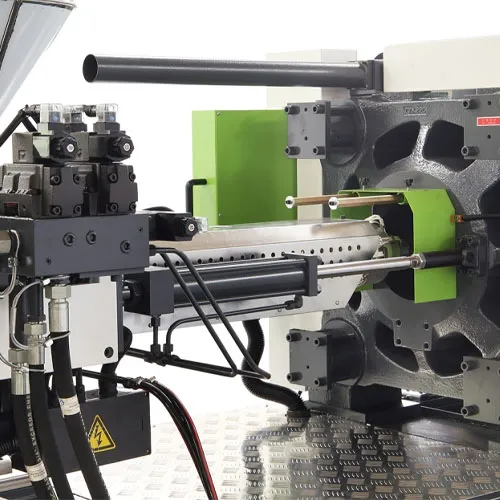
A stable mold is important, but it is not enough. The injection molding process must also be stable. Machine tonnage, clamp force, injection speed, holding pressure, cooling time, mold temperature, resin drying, and operator training all affect final product quality.
Quality control should include incoming material inspection, first-piece inspection, in-process inspection, final inspection, and packaging inspection. For medical or strict industrial projects, quality systems such as ISO 9001 or ISO 13485 may be required. ISO 9001 is widely used for quality management, while ISO 13485 focuses on medical device quality management systems.
Process control is the bridge between a good sample and stable production. In real production, the goal is not to make one good part. The goal is to make thousands or millions of good parts with the same standard.
For thin-wall packaging, medical solutions, and industrial precision components, small process changes can create big quality problems. That is why scientific molding, stable equipment, and trained operators are so important.
How Can a Plastic Machinery Supplier Support Turnkey Delivery?
A strong supplier should do more than sell one injection molding machine. For overseas B2B buyers, the real need is often a complete production solution. That may include machines de moulage par injection, molds, screw and barrel, dryers, chillers, loaders, robots, conveyors, granulators, film blowing machines, extrusion lines, and process support.
As a one-stop plastic machinery supplier, we support global customers with equipment selection, project planning, fast quoting, FAT, export documentation, international logistics, installation, commissioning, operator training, spare parts, remote support, and maintenance programs.
This is especially useful for:
- Thin-wall food packaging manufacturers
- Film and bag production factories
- Medical consumables and packaging producers
- Industrial precision component manufacturers
- EPC contractors and system integrators
- Regional distributors building or upgrading production lines
For buyers, the value is clear. You do not need to coordinate many disconnected suppliers. You can work with one engineering-driven partner who understands equipment, process, delivery, and long-term service.
FAQ
What should buyers confirm before starting an injection mold project?
Buyers should confirm the 2D drawing, 3D model, resin, tolerance, surface finish, cavity number, runner system, mold steel, machine matching, validation plan, lead time, and mold acceptance criteria.
Why is machine matching important in plastic injection molding?
Machine matching ensures the injection mold fits the machine and can run safely. Buyers should check clamping force, shot volume, tie bar space, mold thickness, screw diameter, injection speed, and ejector stroke.
What is the difference between mold validation and mold acceptance?
Mold validation checks whether the mold and process can make qualified parts. Mold acceptance is the buyer’s approval step based on samples, inspection reports, trial results, mold structure, and agreed acceptance criteria.
Why does screw and barrel selection matter?
The screw and barrel affect melting, mixing, plasticizing stability, and material quality. Different plastic materials may need different screw designs, wear resistance, or temperature control.
How can buyers reduce risk before full production?
Buyers can reduce risk by approving DFM, confirming resin, reviewing mold design, checking machine matching, requesting first article inspection, running FAT, and agreeing on commissioning, training, spare parts, and remote support.
What makes a good plastic injection molding supplier?
A good supplier should provide engineering review, fast quotation, injection mold support, machine selection, auxiliary equipment matching, process validation, export documents, installation support, operator training, and long-term after-sales service.


 2026-06-16-14:28
