










Гидравлическая машина для литья под давлением и полностью электрическая машина: в чем разница
Гидравлическая машина для литья под давлением создает удерживающее усилие и усилие впрыска с помощью пресса…
22 августа 2026 года
 2026-07-03-14:43
 На заводах по переработке пластмасс часто наблюдаются потери производительности, поскольку мягкую пленку, тканые мешки и гибкие отходы сложно измельчить в стабильные гранулы. Разрывы нитей, ручная обработка, влажные гранулы и неправильная форма гранул замедляют производство. Гранулятор с водяным кольцом представляет собой компактное решение для непрерывного производства, обеспечивающее более чистое гранулирование.
Гранулятор с водяным кольцом — это система гранулирования с резкой на поверхности матрицы, применяемая в сфере переработки пластмасс. Расплавленный полимер из экструдера разрезается непосредственно на поверхности матрицы вращающимися лопастями, охлаждается с помощью кольца с охлаждающей водой, а затем направляется на оборудование для обезвоживания и сушки с целью получения пригодных для повторного использования гранул вторичного сырья.
A водокольцевой гранулятор — это машина для гранулирования пластмассы, предназначенная для преобразования расплавленной пластмассы в мелкие гранулы. Она часто используется на линиях по переработке пластмасс, в частности для полипропилена (ПП), полиэтилена (ПЭ), низкоплотного полиэтилена (ЛППЭ), высокоплотного полиэтилена (ВППЭ), отходов пленки, рафии и тканых мешков.
Система работает после этапа экструзии. Сначала экструдер плавит пластик и продавливает его через матрицу. Затем резак отрезает расплавленный полимер у поверхности матрицы. В зоне водяного кольцевого охлаждения гранулы быстро охлаждаются, после чего вместе с водой поступают на оборудование для обезвоживания и сушки.
Проще говоря, гранулятор с водяным кольцом позволяет превращать отходы в гранулы, пригодные для повторного использования. Для предприятий по переработке отходов это означает более стабильную форму гранул, упрощение обработки материала и более высокую эффективность производства по сравнению со многими ручными системами.
Для покупателей в сегменте B2B данная машина — это не просто резак. Она является частью комплексной системы гранулирования, которая включает в себя экструзию, фильтрацию, резку на матрице, циркуляцию воды, центробежное обезвоживание, сушку, просеивание и сбор гранул.
Процесс производства гранулятора с водяным кольцом обычно начинается с подачи пластика. Сырьем могут служить промытая пленка, использованные пакеты, промышленные отходы, тканые мешки из полипропилена, полиэтиленовая пленка или измельченный пластик. Материал поступает в экструдер и под воздействием тепла, движения шнека и давления превращается в расплавленный пластик.
После плавления и фильтрации расплавленный полимер проходит через матрицу. Высокоскоростные вращающиеся лопасти разрезают материал непосредственно у поверхности матрицы. Одновременно с этим зону резки окружает кольцо охлаждающей воды, которое отводит гранулы.
Типичный рабочий процесс выглядит следующим образом:
Главное — это выбор момента. Гранулы вырезаются, пока материал ещё находится в расплавленном состоянии, а затем быстро охлаждаются. Это позволяет получить гранулы ровной формы и обеспечивает непрерывность производственного процесса.
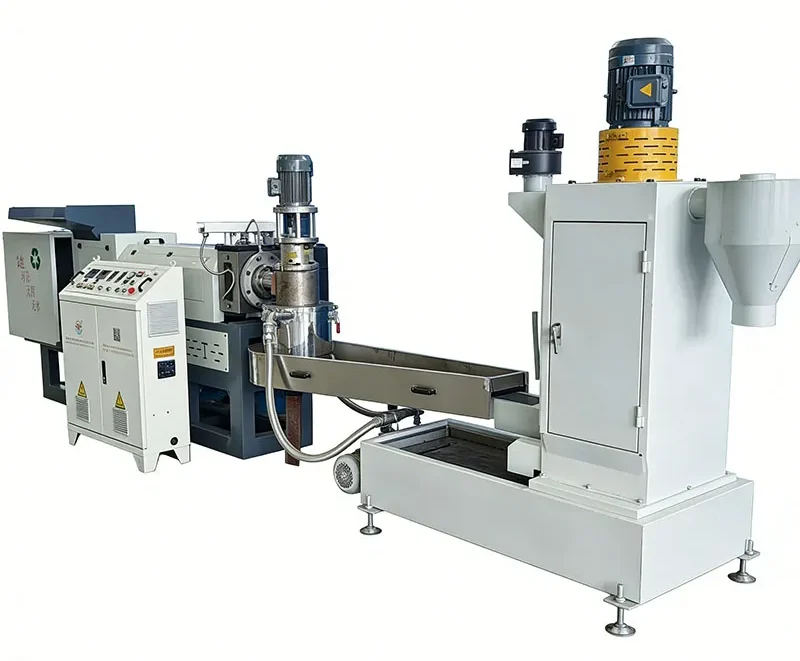
Гранулирование с использованием водяного кольца широко применяется при переработке термопластов. Оно особенно удобно для мягких, гибких или материалов с низкой насыпной плотностью, с которыми может быть сложно работать на традиционной линии по производству нитей.
К распространенным материалам относятся:
ПП и ПЭ широко распространены, поскольку активно используются в производстве упаковки, плёнок, пакетов и тканых изделий. Полиэтилен и полипропилен часто можно переработать в гранулы для дальнейшей экструзии, литья под давлением или компандирования, в зависимости от степени чистоты, состава и конечного назначения.
В случае смешанного, загрязнённого или влажного сырья процесс переработки должен включать надлежащую промывку, сушку, фильтрацию и контроль подачи. A водокольцевой гранулятор Одной только подготовкой сырья эту проблему не решить. Обеспечение высокого качества гранул начинается ещё до начала гранулирования.
Полная система гранулирования с водяным кольцом состоит из нескольких взаимосвязанных машин. Если одна из частей системы неисправна, готовые гранулы могут оказаться влажными, неровными, пыльными или неустойчивыми.
Основные компоненты включают:
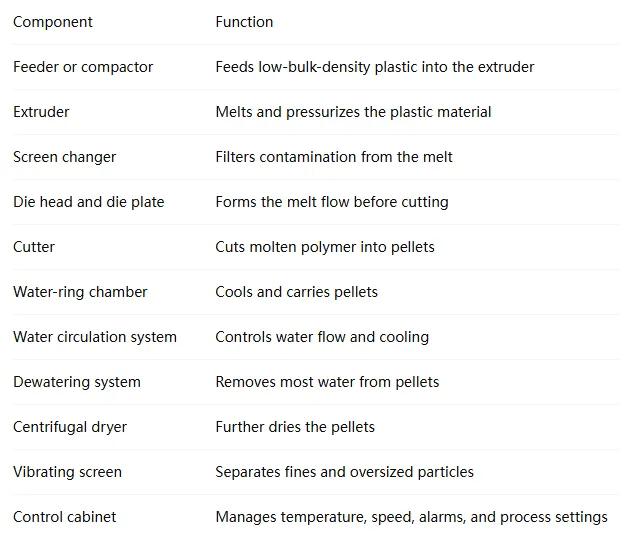
Конструкция экструдера и шнека имеет большое значение. При переработке пленки системе может потребоваться принудительная подача или прессователь, поскольку пленка отличается легкостью и рыхлостью. В случае с твёрдыми хлопьями способ подачи может быть иным.
Высокопроизводительная линия грануляторов должна соответствовать характеристикам сырья, запланированной производительности, размеру гранул, требованиям к влажности, а также дальнейшему применению гранул, полученных из вторичного сырья.
Резка на поверхности матрицы является основным этапом процесса грануляции с водяным кольцом. Вместо того чтобы протягивать длинные пластиковые нити через охлаждающую ванну и резать их позже, резак производит резку непосредственно на поверхности матрицы. Именно поэтому система имеет компактную конструкцию и проще поддается автоматизации.
При гранулировании с выходом из матрицы расплавленный материал выходит из отверстий матрицы и сразу же подвергается резке. Скорость вращения ножей, температура матричной пластины, давление расплава и расход материала должны оставаться стабильными. Если поверхность матрицы загрязнена или ножи изношены, форма гранул может ухудшиться.
К важным контрольным точкам относятся:
Цель — получить однородные гранулы с хорошей формой, стабильным размером и низким содержанием влаги. В процессе вторичной переработки стабильный размер гранул способствует более качественной подаче сырья на последующие этапы экструзии или литья под давлением.
Качественная резка на матрице также сокращает объем ручной работы. Это одна из причин, по которой для линий непрерывной переработки отходов часто выбирают грануляторы с водяным кольцом.
Преимущества грануляторы с водяным кольцом идеально подходят для многих видов переработки ПП и ПЭ. Они обеспечивают компактную компоновку, непрерывную резку, быстрое охлаждение и автоматическое удаление воды. Кроме того, они позволяют сократить трудозатраты по сравнению с традиционными методами обработки струн.
К основным преимуществам относятся:
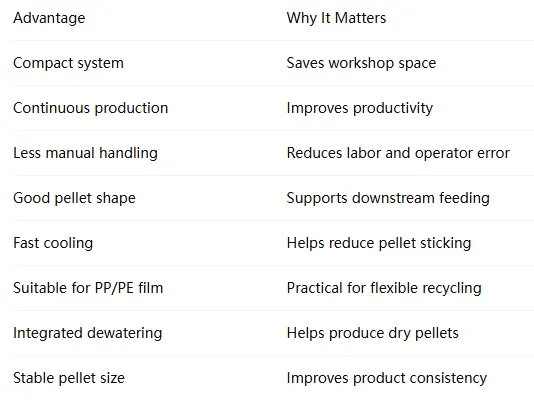
При переработке плёнок предпочтительным способом часто является грануляция с водяным кольцом, поскольку с мягким материалом в виде нитей бывает сложно работать. В системе грануляции с водяным кольцом расплав разрезается непосредственно, а гранулы проходят через воду для охлаждения.
При грамотной конструкции система способна обеспечивать выпуск гранул однородного качества с хорошей насыпной плотностью и надежной сушкой. Это помогает предприятиям по переработке отходов легче реализовывать или повторно использовать полученный материал.
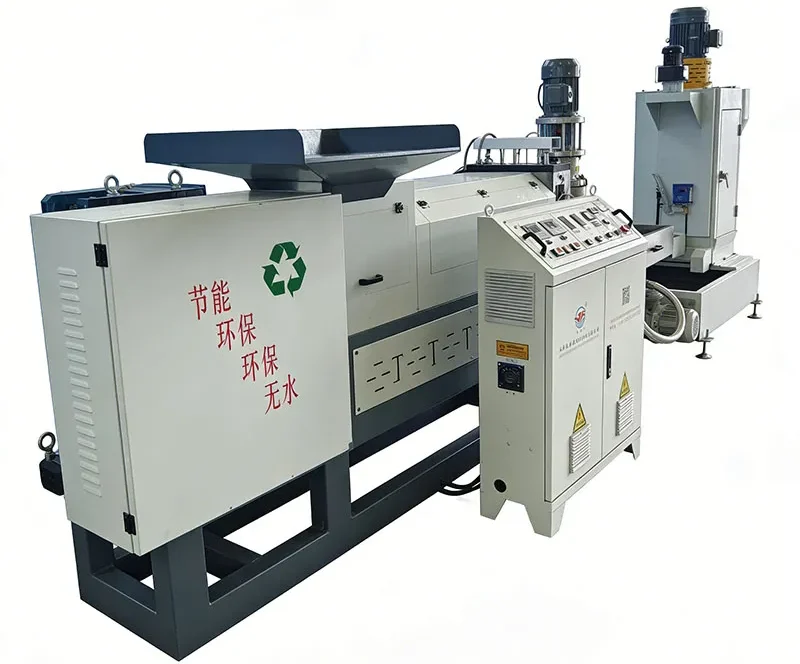
Выбор между гранулятором с водяным кольцом и грануляцией нитей зависит от материала и производственных задач. Грануляция нитей является традиционным и широко применяемым методом. При этом пластиковые нити охлаждаются в резервуаре с водой, а затем охлажденные нити разрезаются на гранулы.
Традиционное гранулирование в виде нитей может хорошо подходить для многих жёстких полимеров, чистых материалов и линий по производству компаундов. Однако нить может обрываться, слипаться или требовать дополнительной ручной настройки. Это может стать проблемой при переработке отходов мягкой плёнки или вторичного сырья с низкой насыпной плотностью.
A водокольцевой гранулятор разрезает материал на поверхности матрицы и сразу же охлаждает его. Это позволяет сделать систему более компактной и автоматизированной.
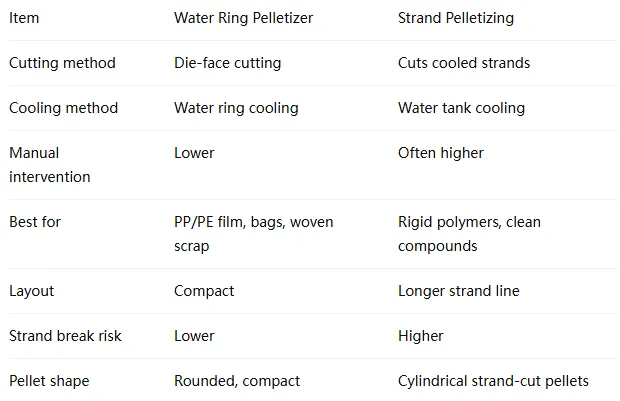
Для многих предприятий по переработке пленки гранулирование с использованием водяного кольца проще в эксплуатации, чем традиционная система с нитью. Однако оптимальный метод гранулирования всё же следует выбирать с учётом типа материала, производительности, рецептуры, влажности и требуемого качества гранул.
Грануляторы с водяным кольцом И наземные, и подводные грануляторы используют резку с помощью матрицы и водяное охлаждение, но это не одно и то же. В подводной системе полимер разрезается внутри заполненной водой режущей камеры. Такая система часто применяется для производства полимеров с высокой производительностью и в более сложных условиях грануляции.
Система с водяным кольцом, как правило, имеет более простую конструкцию и широко применяется на линиях по переработке отходов. Зачастую она является более экономичным решением для переработки отходов из полипропилена (ПП), полиэтилена (ПЭ), пленки, тканых мешков и гибких материалов. Подводные грануляторы могут оказаться более подходящими для производства с высокой производительностью, переработки чувствительных материалов или в случаях, когда требуется очень строгий контроль качества гранул.
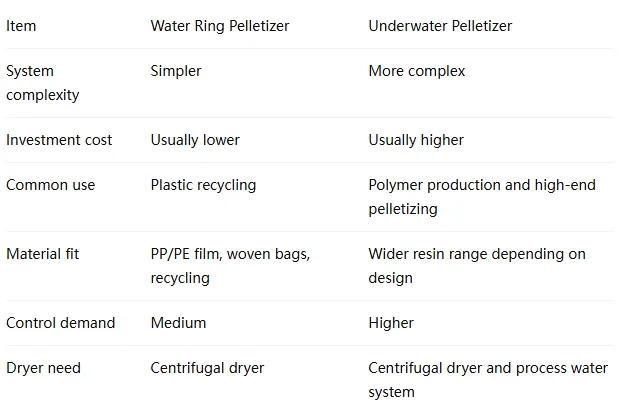
Покупателям не следует основывать свой выбор исключительно на названии машины. Поставщику необходимо учитывать тип полимера, производительность, качество гранул, стабильность технологического процесса, бюджет и потребности в обслуживании в долгосрочной перспективе.
Обезвоживание и сушка играют решающую роль после гранулирования. Если гранулы содержат слишком много влаги, они могут слипаться, вспениваться, создавать проблемы при хранении или вызывать затруднения на последующих этапах переработки. Качественная сушка обеспечивает низкое содержание влаги и сыпучесть гранул.
В типичной системе гранулирования с водяным кольцом сначала используется обезвоживающий грохот или высокоэффективное обезвоживающее устройство. Затем гранулы поступают в центробежную сушилку. Центробежная сила удаляет воду с поверхности гранул, способствуя их сушке перед просеиванием и упаковкой.
Важную роль играет также циркуляция воды. Вода должна охлаждать гранулы, продвигать их вперед и предотвращать их слипание. Если температура воды слишком высокая, гранулы могут размягчиться или слипнуться. Если напор воды слабый, охлаждение и транспортировка могут стать нестабильными.
К ключевым факторам качества относятся:
На перерабатывающих предприятиях стабильная система обезвоживания и сушки обеспечивает сохранение качества гранул и повышает производительность последующих технологических процессов.
Выбор подходящей линии грануляторов с водяным кольцом начинается с учета характеристик сырья. Покупателям не следует ограничиваться лишь запросом цены. Прежде всего им необходимо уточнить тип сырья, степень загрязнения, влажность, насыпную плотность, планируемую производительность, а также конечное назначение гранул.
Прежде чем запросить расценки, подготовьте следующие данные:
Стабильная производственная линия должна быть согласована с оборудованием, установленным как на входе, так и на выходе. Например, в процессе переработки пленки могут потребоваться такие операции, как измельчение, промывка, отжим, прессование, экструзия, фильтрация, гранулирование, обезвоживание, сушка и упаковка.
Правильный поставщик должен помочь оценить весь процесс переработки отходов, а не только гранулятор с водяным кольцом.
Комплексный поставщик оборудования для переработки пластмасс помогает покупателям снизить риски при создании решений для вторичной переработки. Гранулирование — это лишь один из этапов. Настоящая линия по вторичной переработке может включать в себя промывку, сушку, подачу сырья, экструзию, фильтрацию расплава, гранулирование, обезвоживание, сушку, упаковку и послепродажное обслуживание.
Являясь поставщиком, работающим напрямую с заводами и ориентированным на инженерные решения, Мы обслуживаем международных клиентов в сегменте B2B в таких областях, как производство тонкостенной и пищевой упаковки, медицинские решения, промышленные прецизионные детали, экструзия пластмасс, выдув пленки и проекты по переработке отходов. Мы предоставляем оборудование, технологическую поддержку, поставку «под ключ» и полный цикл обслуживания услуга.
Мы можем оказать поддержку в следующих областях:
Для зарубежных предприятий по переработке отходов, подрядчиков, работающих по схеме «EPC», системных интеграторов и региональных дистрибьюторов такая поддержка упрощает процесс закупки. Кроме того, она помогает покупателям повысить выход продукции, сократить объем ручного труда и спланировать будущее расширение производственных мощностей.
A водокольцевой гранулятор используется для измельчения расплавленного пластика в гранулы в процессе переработки пластика или экструзии. Обычно применяется для полипропилена (ПП), полиэтилена (ПЭ), пленки, тканых мешков и отходов гибкого пластика.
При гранулировании с водяным кольцом расплавленный полимер разрезается на поверхности матрицы с помощью вращающихся лопаток. Кольцо охлаждающей воды охлаждает гранулы и транспортирует их к оборудованию для обезвоживания и сушки.
К распространенным материалам относятся ПП, ПЭ, ПЭН, ПНД, отходы пленки, тканые мешки, рафия, пакеты для покупок и гибкие полиолефиновые материалы, пригодные для вторичной переработки.
В случае мягкой пленки, тканых мешков и гибких материалов, подлежащих вторичной переработке, гранулятор с водяным кольцом позволяет сократить количество обрывов нитей и объем ручной обработки. Грануляция нитей по-прежнему может быть подходящим методом для чистых жестких материалов и некоторых видов компаундирования.
Грануляция с использованием водяного кольца зачастую является более простой и широко применяется на линиях по переработке пластмасс. Подводная грануляция, как правило, более сложна и часто используется для грануляции полимеров с высокой производительностью или в условиях повышенных требований.
Обезвоживание позволяет удалить воду из гранул после охлаждения. Качественное обезвоживание и сушка способствуют получению гранул с низким содержанием влаги, предотвращают их слипание и улучшают последующую переработку.
Покупатели должны указать тип материала, форму сырья, условия промывки, уровень влажности, плановые объемы производства, назначение гранул, планировку цеха, потребности в автоматизации и требования к обслуживанию.

Гидравлическая машина для литья под давлением создает удерживающее усилие и усилие впрыска с помощью пресса…

Установите параметры процесса литья под давлением в установленном порядке: температуру цилиндра и пресс-формы, …
Мы ответим вам в течение 24 часов. Если для срочного случая, пожалуйста, добавьте WhatsApp/WeChat: +86 15653430206,. Или позвоните по телефону +86 15653430206.
*Мы уважаем вашу конфиденциальность и защищаем всю информацию.
Мы будем использовать вашу информацию только для ответа на ваш запрос и никогда не будем отправлять нежелательные электронные письма или рекламные сообщения.