

Hydraulic Injection Molding Machine vs All-Electric Explained
A hydraulic injection molding machine generates clamping and injection force through press…
August 22 2026
 2026-05-26-10:19
 Choosing the wrong plastic injection molding machine can cause unstable parts, high scrap, slow delivery, and daily production stress. A poor mold or weak clamp setup makes it worse. The right machine, mold, and supplier help your factory produce stable plastic parts with less waste.
A plastic injection molding machine melts plastic pellets, injects molten plastic into an injection mold, holds pressure, cools the part, and ejects the finished product. To choose the right injection molding machine, buyers must match the mold size, clamping force, injection unit, screw and barrel, control system, material, cycle time, and production target.
A plastic injection molding machine is industrial machinery used to make repeatable plastic products in large quantities. It heats plastic resin or plastic pellets, turns them into melted plastic, and pushes the material into an injection mold under pressure. Once the plastic cools, the mold opens and the ejector pushes out the plastic part.
The main parts of an injection molding machine are the injection unit, clamping unit, mold, control system, and machine frame. The British Plastics Federation explains that an injection moulding machine uses a heated barrel with a reciprocating screw to feed molten polymer into a temperature-controlled split mold through gates and runners.
For B2B factories, this machine is not just a press. It is the center of mass production. A good injection molding machine must match the injection mold, product size, material flow, clamp force, production cycle, and operator skill level. If one part does not match, the whole molding process becomes unstable.
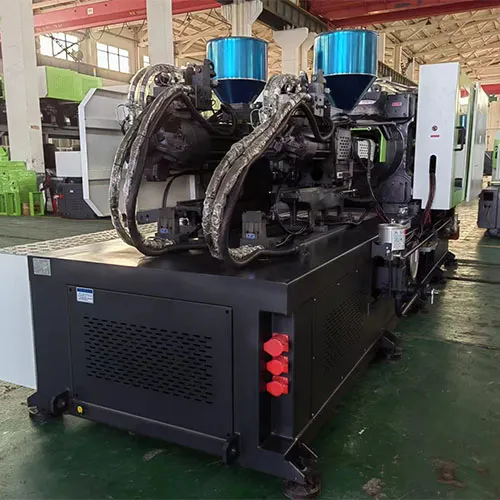
The injection mold decides the final shape, surface, size, and structure of the plastic part. Even the best injection molding machine cannot save a bad mold. If the mold is poorly designed, the result may include flash, short shots, burn marks, sink marks, warpage, or poor ejection.
A plastic injection mold normally includes the cavity side, core side, runner system, gate, cooling channels, ejector system, and clamp plates. The gate controls how plastic enters the mold. The cooling channel controls how fast the part solidifies. The ejector controls how the injected plastic part leaves the metal mold.
In our experience with B2B plastics processing projects, buyers often focus on machine size first. But the better starting point is the mold. Ask these questions early:
A well-designed injection mold improves cycle time, part consistency, and long-term production yield. A poor mold increases energy consumption, scrap, and operator workload.
A hydraulic injection molding machine uses hydraulic pressure to drive movement. Hydraulic machines are widely used because they are strong, practical, and suitable for many general plastic production needs. They are often chosen for large machines, strong clamp force, and cost-sensitive projects.
An all-electric injection molding machine uses electric servo drives for machine movement. All-electric machines are usually cleaner, quieter, and more precise. A study on all-electric injection molding machines notes that hydraulic machines use hydraulic pumps, all-electric machines use high-speed servo motors, and hybrid machines combine hydraulic pumps with servo motors.
A hybrid injection system combines hydraulic and electric technology. Hybrid injection molding machines may offer a balance between power, speed, and energy efficiency. For many factories, hybrid machines are useful when they need both strong force and better process control.
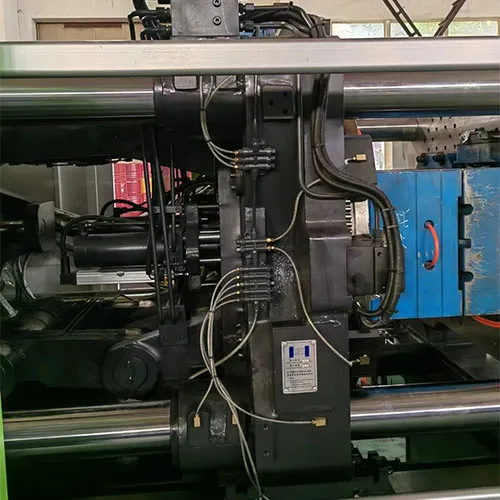
The right type of injection molding machine depends on your product. A thin-wall food container needs fast injection, fast clamp response, and stable cooling. A PET preform needs high repeatability and multi-cavity mold performance. A PVC fitting needs material-specific screw design and temperature control.
A horizontal injection moulding machine is the most common choice for many plastic products. Vertical machines are often used for insert molding, cable inserts, metal insert parts, and overmolding applications. All-electric and hybrid injection solutions are often used where precision, speed, and clean production matter.
| Product Type | Recommended Focus |
|---|---|
| Thin-wall food packaging | Fast injection, stable clamp, efficient cooling |
| Medical consumables | Clean design, stable control, repeatable precision |
| Industrial precision components | Accurate injection pressure and mold control |
| Automotive plastic parts | Strong clamp, stable molding window |
| PET preforms | Multi-cavity mold, repeatable shot control |
| PVC products | Proper screw and barrel, careful temperature control |
| Insert molding | Vertical machine or special fixture design |
If you are not sure which type of injection molding is right, start with the plastic part. Send the drawing, material, weight, size, mold plan, tolerance, and target output. A professional supplier can then suggest a plastic molding machine that fits the project.
HEE&HATO is a factory-direct plastic machinery supplier offering injection molding machines, extrusion lines, film blowing machines, blow molding machines, and screw barrel systems for global buyers. Its website positions the company as a one-stop plastic machinery supplier focused on reliable delivery and after-sales service.
For injection molding, HEE&HATO offers servo injection machines, PET preform machines, PVC series machines, dual-color servo injection systems, and fruit-crate injection molding solutions. Its injection molding machine category describes the company as a professional injection molding machine manufacturer and supplier in China.
For B2B buyers, the real value is not just the machine. It is the full project support. HEE&HATO can support model selection, process planning, equipment matching, turnkey delivery, installation, commissioning, operator training, remote support, and long-term spare parts planning.
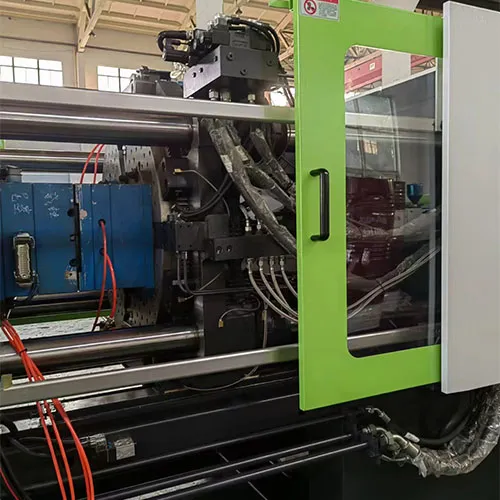
A good supplier should help you reduce risk before the machine arrives. That includes layout planning, power confirmation, machine configuration, mold matching, FAT planning, training schedule, and maintenance guidance.
The first mistake is choosing by price only. A lower price may hide weak parts, poor control, high energy consumption, or limited service. The second mistake is ignoring the injection mold. The machine and mold must match.
The third mistake is not checking tonnage, tie bar spacing, and mold thickness. If the mold cannot fit the machine, production cannot start. The fourth mistake is not planning auxiliary equipment. A plastic injection machine often needs dryers, loaders, chillers, mold temperature controllers, robots, or conveyors.
The fifth mistake is not asking for training. Even a good injection molding machine needs skilled operators. Clear training helps the factory reduce scrap and reach stable production faster.
A plastic injection molding machine is used to make plastic parts by melting plastic pellets and injecting the molten plastic into an injection mold. It is widely used for packaging, medical consumables, automotive components, appliance parts, industrial precision parts, and daily-use plastic products.
The injection molding machine melts and injects plastic. The injection mold gives the part its shape. The machine provides clamp force, injection pressure, heat, movement, and control. The mold controls cavity shape, gate position, cooling, and ejection.
You choose tonnage based on the projected area of the part, material pressure, mold structure, and safety factor. If clamping force is too low, the mold may open and create flash. If tonnage is too high, the machine may waste energy and cost more than needed.
Hydraulic machines are strong and practical for many general products. All-electric machines are often more precise, cleaner, and more energy efficient. Hybrid machines combine both systems. The best choice depends on your product, budget, speed, precision, and energy goals.
Yes, one machine can use different molds if the molds fit the tie bar spacing, mold thickness range, clamp force, injection capacity, and ejector system. However, different molds may need different settings, auxiliary equipment, and cycle times.
The main factors are clamp tonnage, injection unit size, hydraulic or electric configuration, control system, machine speed, automation, brand of components, auxiliary equipment, service package, and mold complexity.
Used machines may reduce initial cost, but they can bring risks such as worn screws, weak clamp systems, outdated controls, and limited spare parts. For stable mass production, food packaging, medical parts, or precision components, a new machine with service support is often safer.
Send your product drawing, plastic material, part weight, mold size, cavity number, target output, voltage, factory layout, automation needs, and destination country. This helps the supplier recommend the right injection molding machine, injection mold support, and auxiliary equipment.

A hydraulic injection molding machine generates clamping and injection force through press…

Set injection moulding process parameters in a fixed order: barrel and mould temperature, …
We will reply you within 24 hours. If for urgent case, please add WhatsApp/WeChat: +86 15653430206,. Or call +86 15653430206 directly.
*We respect your confidentiality and all information are protected.
We will only use your information to respond to your inquiry and will never send unsolicited emails or promotional messages.