

Hydraulic Injection Molding Machine vs All-Electric Explained
A hydraulic injection molding machine generates clamping and injection force through press…
August 22 2026
 2026-04-17-09:35
 When pellet quality is uneven, lines stop, materials clump, and water handling adds cost, production gets messy fast. The right air-cooled strand pelletizer solves that by giving you a cleaner, simpler, and more stable way to turn molten material into usable pellets.
An air-cooled strand pelletizer is a strand pelletizing solution that cools and cuts extruded plastic strands into pellets without relying on a full traditional water cooling path for every material. For recycling and compounding, it offers a clean process flow, flexible model choices, and stable pellet production for materials such as LDPE, HDPE, PVC, ABS, TPU, and PLA.
A strand pelletizer is used after the extruder. The molten material leaves the die head as long plastic strands, passes through cooling and conveying, and then enters the cutting section for pellet cutting. The goal is simple: turn hot, soft material into uniform pellets that are easier to pack, transport, feed, and reuse in later plastic processing steps. Coperion describes strand pelletizing as the conversion of molten polymer strands into dry, easy-to-handle pellets, and that description fits this product well.
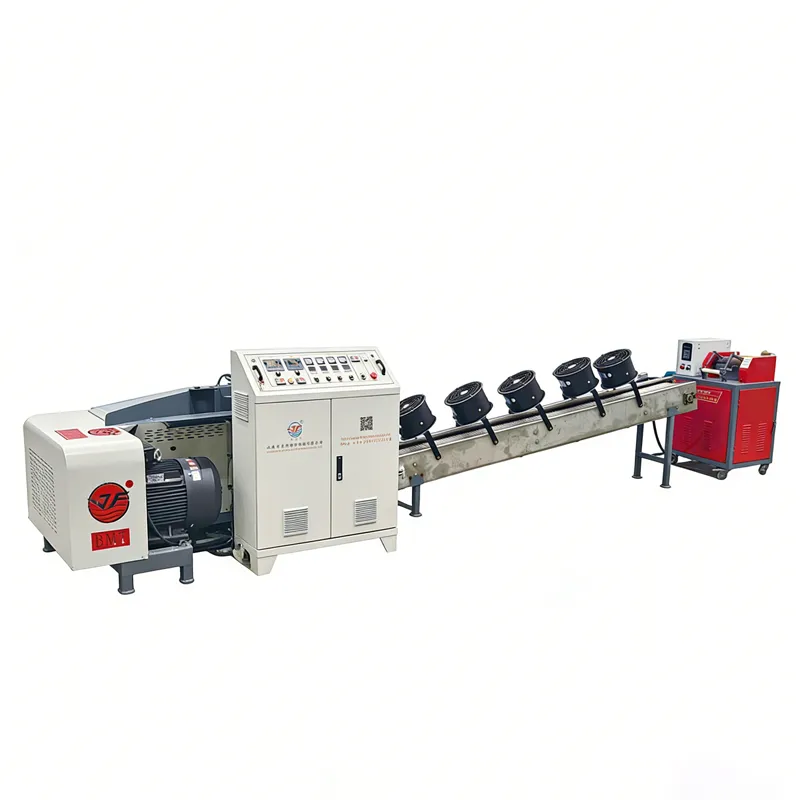
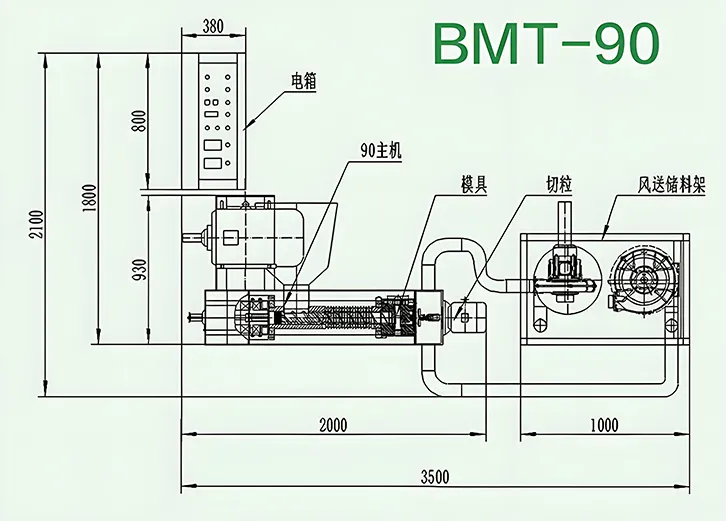
The HEE&HATO Air-Cooled Strand Pelletizer is positioned as a clean and efficient pelletizing system for recycling and compound production. The product page says it supports LDPE, HDPE, CPE, PVC, TPO, PLO, TPU, ABS, PLA, and other biodegradable plastics, with model options from BMT-90 to BMT-150. That makes it a practical strand pelletizer machine for factories that run different recipes and need room to scale output over time.
From our perspective as a factory-direct, engineering-driven supplier, the value is not only in cutting a pellet. It is in building a pelletizing line that supports fast quoting, stable mass production, process support, and long-term after-sales service for global B2B manufacturers and line-upgrade projects.
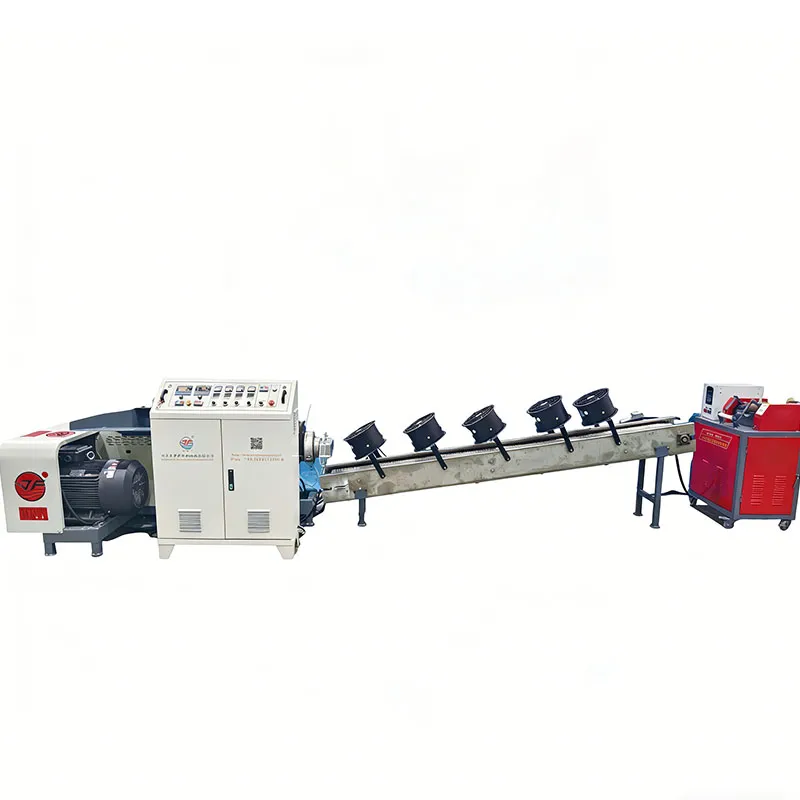
The biggest reason is process simplicity. In many plants, air cooling reduces water handling, lowers cleaning work, and keeps the operating area cleaner. That matters in real production. When you cut dependence on water treatment, sump maintenance, and wet transfer points, you often reduce daily headaches as well. HEE&HATO specifically presents this machine as a clean, efficient solution, which is one reason the product stands out for practical factory use.
That does not mean traditional water cooling is always wrong. It simply means the right cooling route depends on the resin and the process flow. HEE&HATO notes that for PE, PVC, PLA, ABS, and TPU, the configuration uses air cooling strand pelletizing with an extruder, heating cutter, and control panel, while for PP and PET the cutting section changes to water cutting as required. That is a useful reminder: smart pelletizing is about matching the material, not forcing one method onto every job.
Why many buyers like air-cooled systems
HEE&HATO lists: LDPE, HDPE, CPE, PVC, TPO, PLO, TPU, ABS, PLA, and other biodegradable materials. That range matters because processors rarely run just one formulation forever. A good plastic pelletizer should handle both everyday compounds and more specialized recipes used in modified materials, masterbatch, and degradable blends.
This matters even more in modern compounding. Bioplastics and compounding lines demand careful alignment across feeding, extrusion, pelletizing, and drying because material behavior can vary widely. In simple words, the more diverse your polymer mix becomes, the more valuable a stable strand pelletizer system becomes. That is especially true for plants making blends for packaging, industrial parts, and circular-material programs.
For buyers in food packaging, medical support packaging, and industrial precision components, multi-material flexibility is more than a nice extra. It is often the difference between a one-project machine and a long-term platform. That B2B need is exactly the kind of need described in your brief: stable yield today, with engineering-driven customization and future expansion in mind.
A strand pelletizer is never just a cutter. The extruder, strand die, conveying path, blower setup, and blade section work as one system. On this machine, the listed screw diameters, inverter sizes, cutting motors, and blower configurations tell us that pellet quality depends on the full machine balance, not a single component. HEE&HATO also notes that the system configuration for many materials includes the extruder, heating cutter, and control panel as a matched package.
In day-to-day production, several small variables matter: blade speed, feed stability, strand condition, and how cleanly the molten material leaves the die head. If the molten plastic is unstable, if the strands stick and clump, or if the cutter setup is off, the final pellet size and pellet length will drift. Good stable pellet quality comes from a balanced process, not from one marketing phrase. Coperion also emphasizes that pelletizer design, especially the cutting chamber and adjustment features, has a direct effect on product quality and handling.
Key quality checkpoints
This is one of the most common buyer questions. The honest answer is that neither system wins every project. Underwater pelletizing and underwater pelletizers are widely used for high-throughput thermoplastics and some demanding process conditions. Coperion’s official pelletizer range shows that underwater systems, water-ring systems, and strand pelletizers all exist because different materials and operating goals need different solutions.
An air-cooled strand pelletizer is often attractive when buyers want a simpler layout, easier maintenance, and a cleaner path for selected materials. A face pelletizer or underwater system may make more sense for other product forms, very high throughput, or material behaviors that respond better to hot-face or submerged cutting. The key is not to ask which method sounds more advanced. The better question is: which pelletizing equipment best matches your resin, throughput, maintenance team, and desired pellet quality?
Because recycling and compounding are rarely neat. Input quality changes. Formulations change. Throughput changes. A useful air cooling strand pelletizing system must keep running through that reality. HEE&HATO explicitly positions this product for various recycling and compounding needs, not just one narrow recipe. That matters to processors making regrind-based compounds, packaging-grade blends, or specialty masterbatch.
In many cases, a well-matched twin screw extruder or other extruder upstream and a reliable pelletizing stage downstream are what turn waste or mixed material into a usable commercial pellet again. For efficient recycling, stable pellet handling is not a side issue. It is the point.
For global B2B buyers, this matters commercially. If a line supports efficient plastic reuse, stable yield, and predictable delivery schedules, it becomes easier to win customer approvals and scale production. That is closely aligned with the buyer expectations in your brief: verified stable mass production, fast solution turnaround, compliant delivery, and long-term service support.
I would start with six questions. What material are you running? What throughput do you really need? Is air-cooling correct for your job, or do you need water cooling in part of the line? How sensitive is your material to heat and sticking? What pellet specification matters most? And how strong is your maintenance team?
Then I would move to the equipment checklist:
A good supplier should also discuss how the process flow fits into the full plant, not just the machine alone. That includes utilities, layout, operator training, and the handoff from the upstream extrusion section to the downstream packing step.
They affect everything. HEE&HATO’s service page highlights commissioning, process and operations training, remote support, maintenance tips, and customization. It also states that commissioning includes mechanical and electrical calibration, alignment, I/O checks, debugging of temperature control, cooling, conveying, and online monitoring, with acceptance based on 72 hours of continuous and stable operation. That is a strong signal for buyers who care about real startup readiness, not just shipment.
From experience, the best pelletizing line is not the one that only runs well during a sales demo. It is the one that can keep running after installation, training, and the first wave of recipe changes. That is why spare parts, remote support, and maintenance programs matter so much. In line-upgrade projects, uptime support is often what separates a low price from a good investment.
If your plant runs LDPE, HDPE, PVC, ABS, TPU, PLA, or similar materials and you want a cleaner strand pelletizing route with flexible capacity options, this machine is a strong candidate. If you also value supplier support across commissioning, training, and lifecycle service, the fit becomes even stronger. HEE&HATO’s homepage and service pages clearly present the company as a one-stop provider across injection molding, film blowing, pelletizing, screw and barrel, and related services.
If your process is heavily centered on PP or PET and needs a different cutting route, the product page already signals that configuration changes may be required. That honesty is useful. It shows the line is meant to be selected based on actual plastic behavior and production needs, not generic sales talk. In B2B projects, that kind of engineering logic usually leads to better long-term results.
Imagine a mid-sized processor that produces recycled compound for packaging and industrial parts. The old line suffers from wet handling, inconsistent pellet shape, and high cleanup time. The owner wants a better system, but the production team also needs easy operation and reliable training.
In that case, an air-cooled strand pelletizer can be appealing because it simplifies the line, supports multiple materials, and offers model choices that fit both current demand and future expansion. When that machine is backed by commissioning, operator training, and long-term service, the purchase becomes more than a hardware swap. It becomes a production upgrade.
The main benefit is a cleaner and simpler pelletizing route for selected materials. It can reduce water-related handling, support steady pellet production, and fit many recycling and compounding jobs.
According to the official page, it can handle LDPE, HDPE, CPE, PVC, TPO, PLO, TPU, ABS, PLA, and other biodegradable plastics.
No. The best method depends on the material and the process. HEE&HATO notes that some materials use the air-cooled setup, while PP and PET may require water cutting.
Because commissioning, training, remote support, and spare parts directly affect uptime, yield, and how quickly your team reaches stable production after installation. HEE&HATO explicitly includes those services in its support model.
Yes, that is one of its practical strengths. The four-model lineup gives buyers room to start with the right capacity and move toward larger production demands later. That scalability also fits the buyer profile in your brief.

A hydraulic injection molding machine generates clamping and injection force through press…

Set injection moulding process parameters in a fixed order: barrel and mould temperature, …
We will reply you within 24 hours. If for urgent case, please add WhatsApp/WeChat: +86 15653430206,. Or call +86 15653430206 directly.
*We respect your confidentiality and all information are protected.
We will only use your information to respond to your inquiry and will never send unsolicited emails or promotional messages.